Can I Homeschool My Child If I’m Not a Teacher?
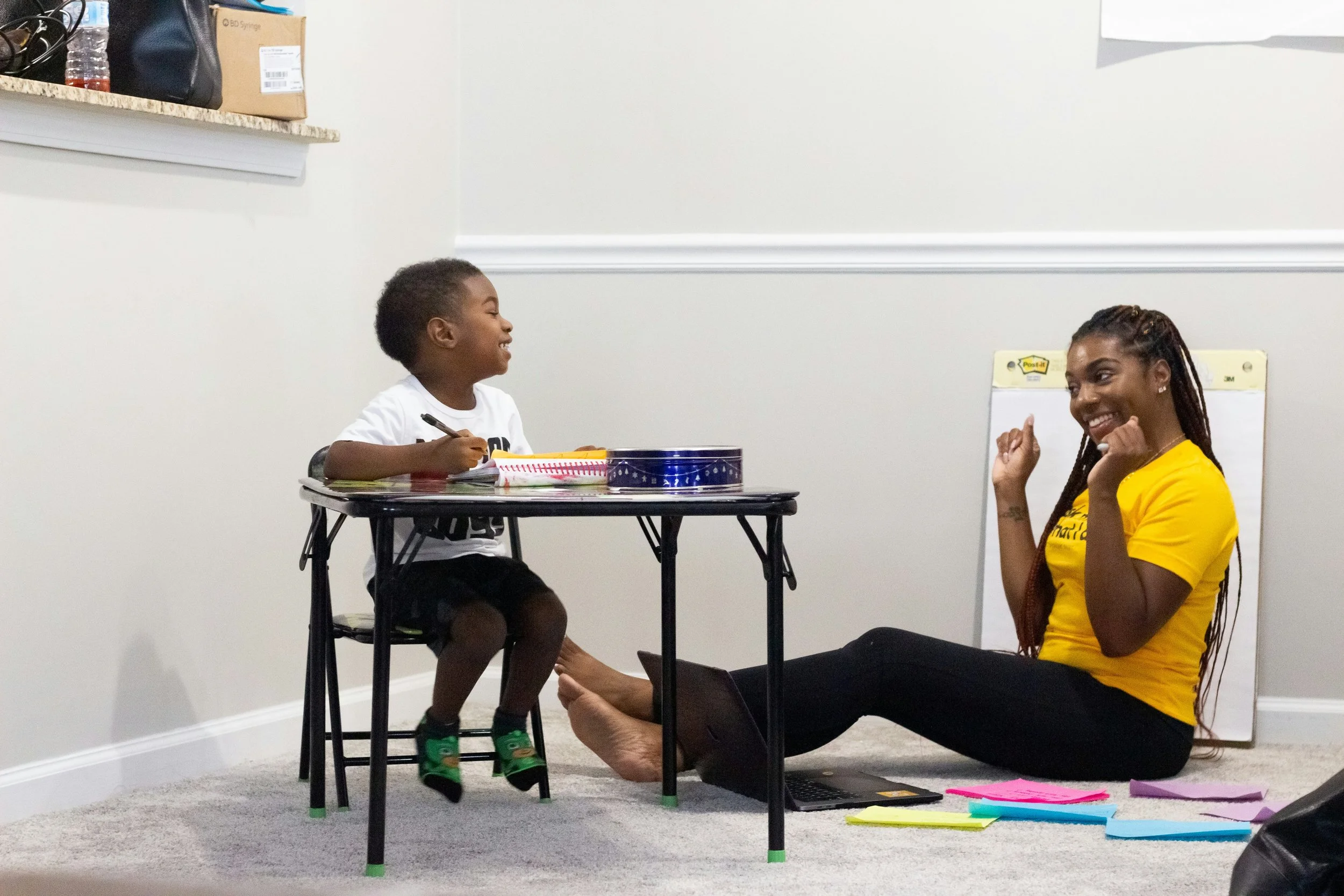
Photo by Natasha Hall on Unsplash
“But I'm not a teacher.”
For many parents considering homeschooling, those four words are enough to stop the conversation before it even begins.
Maybe you don't have an education degree.
Maybe there are subjects you haven't studied in years.
Maybe the thought of teaching mathematics, science, reading, writing, and everything else feels overwhelming.
And you may wonder:
“How could I possibly give my child a good education if I've never been a teacher?”
It's a very understandable question.
The good news is that homeschooling doesn't require you to suddenly become a traditional classroom teacher in your home.
It asks you to take an active role in your child's education—and to build the right support system around your family.
Do Parents Need to Be Teachers to Homeschool?
The answer depends partly on where you live and the homeschooling requirements that apply to your family.
Homeschooling rules can vary by state and country, so parents should always research the requirements that apply to their specific location.
But from an educational perspective, being a certified classroom teacher is not the only way to support meaningful learning at home.
Parents bring something incredibly valuable to the experience: they know their children.
You know what makes your child curious.
You notice when they are frustrated.
You know the subjects they naturally gravitate toward.
You see how they solve problems, communicate, create, and explore.
Those observations can become an important part of a personalized homeschool experience.
The goal isn't to recreate a traditional classroom in your living room.
You Don't Have to Know Everything Your Child Will Learn
One of the biggest fears parents have is:
“What if my child asks me something I don't know?”
You will probably encounter that moment.
And that's okay.
In fact, saying “I don't know—let's find out together” can be a powerful learning experience.
You don't have to be the source of every answer.
Your role can include helping your child:
Find reliable information.
Ask better questions.
Compare different sources.
Practice a new skill.
Break a problem into smaller steps.
Reflect on what they discovered.
Connect ideas to real-life experiences.
Education isn't only about transferring information from an adult to a child.
It's also about learning how to learn.
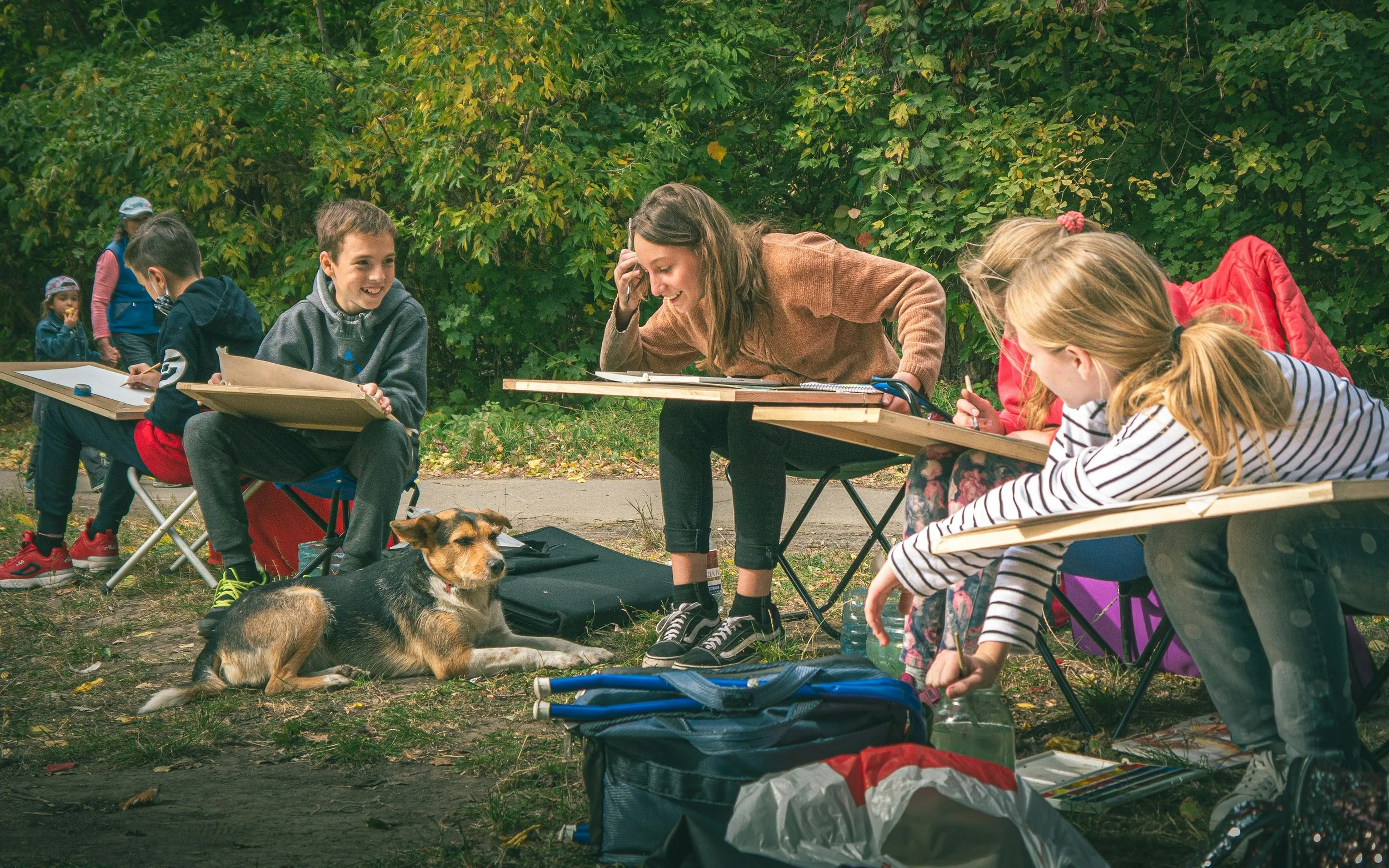
Photo by Evgeniy Beloshytskiy on Unsplash
What Do Parents Actually Need to Homeschool?
If a teaching degree isn't the only ingredient, what matters?
Several things can make a meaningful difference.
A willingness to learn
You don't need to know everything before you begin.
You need to be willing to learn alongside your child, adjust your approach, and seek help when something isn't working.
A clear structure
Children benefit from knowing what they are learning and what is expected of them.
A curriculum or learning framework can give parents a starting point without requiring them to design every lesson from scratch.
The right resources
Good resources can help parents understand what to teach, how to approach a concept, and how to adapt learning to their child's needs.
This is where homeschool curriculum help can be especially valuable for families who don't have a teaching background.
Flexibility
Not every child learns the same way.
A resource that works beautifully for one child may not work as well for another.
Being willing to adjust the pace, materials, activities, or learning approach can be more useful than trying to follow every lesson exactly as written.
Support
You don't have to figure everything out alone.
Having access to people who can answer questions, provide guidance, and help you navigate your homeschool can make the experience feel much more manageable.
How to Start Homeschooling Without Teaching Experience
If you're starting from zero, resist the temptation to plan everything at once.
Instead, begin with a few foundational questions:
What does my child need to learn?
Think about the academic expectations and goals that apply to your family.
How does my child learn best?
Pay attention to interests, strengths, pace, and the kinds of activities that naturally engage them.
What structure do we need?
Create a realistic routine that fits your family's life rather than copying someone else's schedule.
What support do I need?
Identify where you feel confident and where you would benefit from curriculum guidance, teacher support, resources, or a structured program.
This can turn homeschooling from an enormous question into a series of manageable decisions.
You Don't Have to Teach Every Subject the Same Way
Another common misconception is that homeschooling means sitting beside your child and directly teaching every subject every day.
It doesn't have to.
Children can learn through reading, conversations, research, hands-on experiences, projects, observation, practice, and independent exploration.
For example, instead of delivering a traditional science lesson, you might explore a question together and create a project around it.
Instead of only completing writing exercises, your child could write about something they are researching or create a presentation about a personal interest.
Instead of treating mathematics as a collection of worksheets, you could incorporate measurement, budgeting, planning, comparison, and problem-solving into everyday activities.
This is one of the strengths of parent-led education: parents can create learning opportunities throughout the day rather than limiting education to formal lessons.
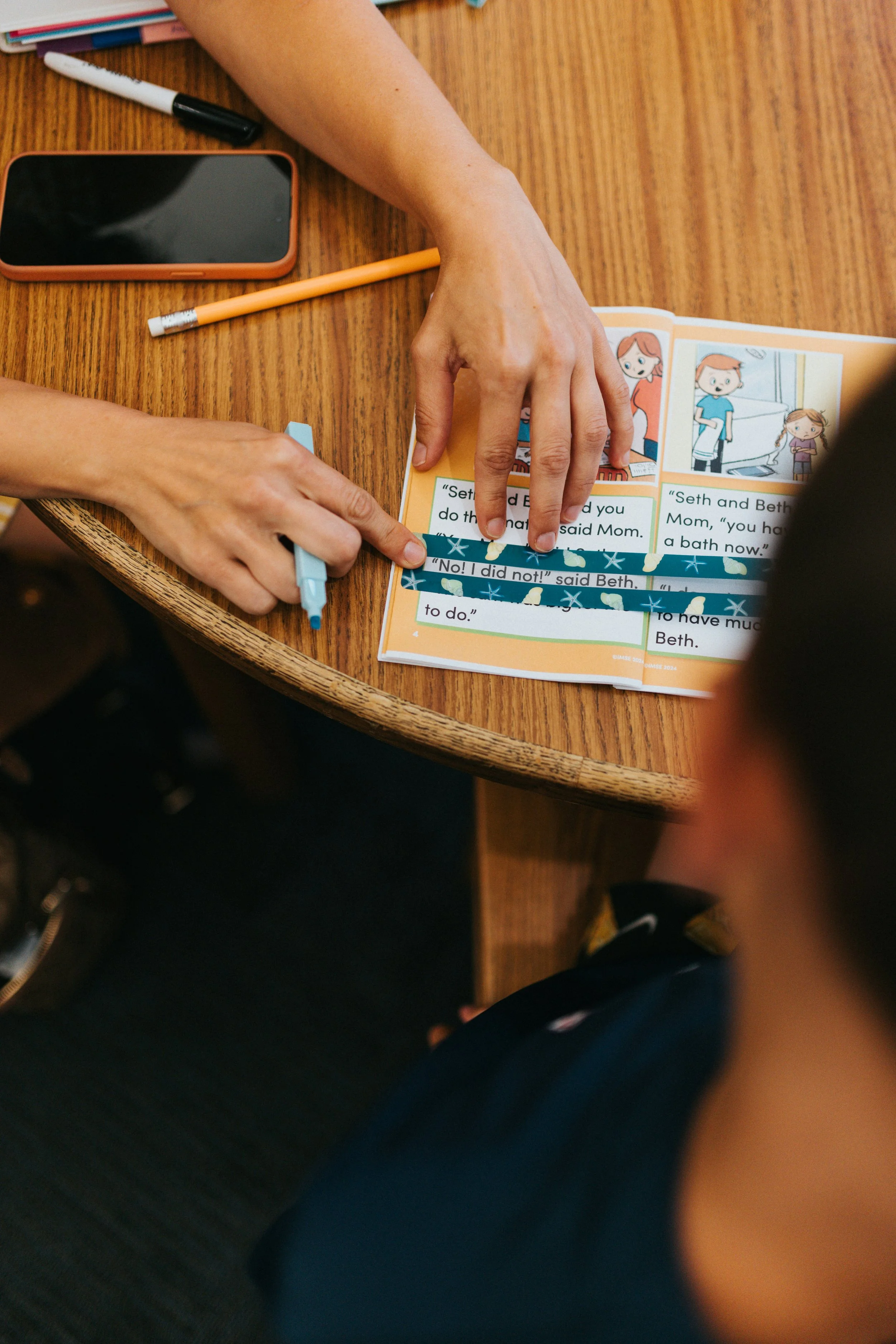
Photo by Nathan Dumlao on Unsplash
What If My Child Is Ahead of Me in a Subject?
This happens.
Your child may eventually become more knowledgeable than you in a particular area—especially when they discover a subject they love.
That's not a problem.
It can actually be an opportunity.
You can encourage your child to research more deeply, find appropriate resources, document what they learn, teach someone else, or work on a project related to their interest.
Your role doesn't have to be “I must know more than my child.”
It can become:
“I'm here to help you keep learning.”
That shift can make homeschooling much less intimidating.
Homeschooling Doesn't Have to Look Like a Classroom
Perhaps the biggest mindset shift is understanding that you aren't required to reproduce the school experience at home.
Your home has different possibilities.
Learning can happen around the kitchen table, outdoors, during a family project, at a library, through a conversation, while cooking, or while exploring a subject your child finds fascinating.
A personalized homeschooling approach can make room for those experiences while still maintaining meaningful academic goals.
The objective isn't to eliminate structure.
It's to create structure that serves your child and your family.
How Homeschool Genius Lab Supports Parents
At Homeschool Genius Lab, we understand that many parents who choose homeschooling aren't professional teachers—and they shouldn't have to become one overnight.
Our approach provides families with structure, resources, guidance, and personalized learning support so parents have a framework they can work with.
Rather than expecting parents to recreate a traditional classroom, Homeschool Genius Lab focuses on helping families understand how their child learns and creating meaningful, project-based learning experiences around their strengths, interests, abilities, and goals.
This allows parents to remain an important part of their child's education without feeling that they must have all the answers.
You can guide.
You can encourage.
You can ask questions.
You can learn alongside your child.
And you can seek support when you need it.
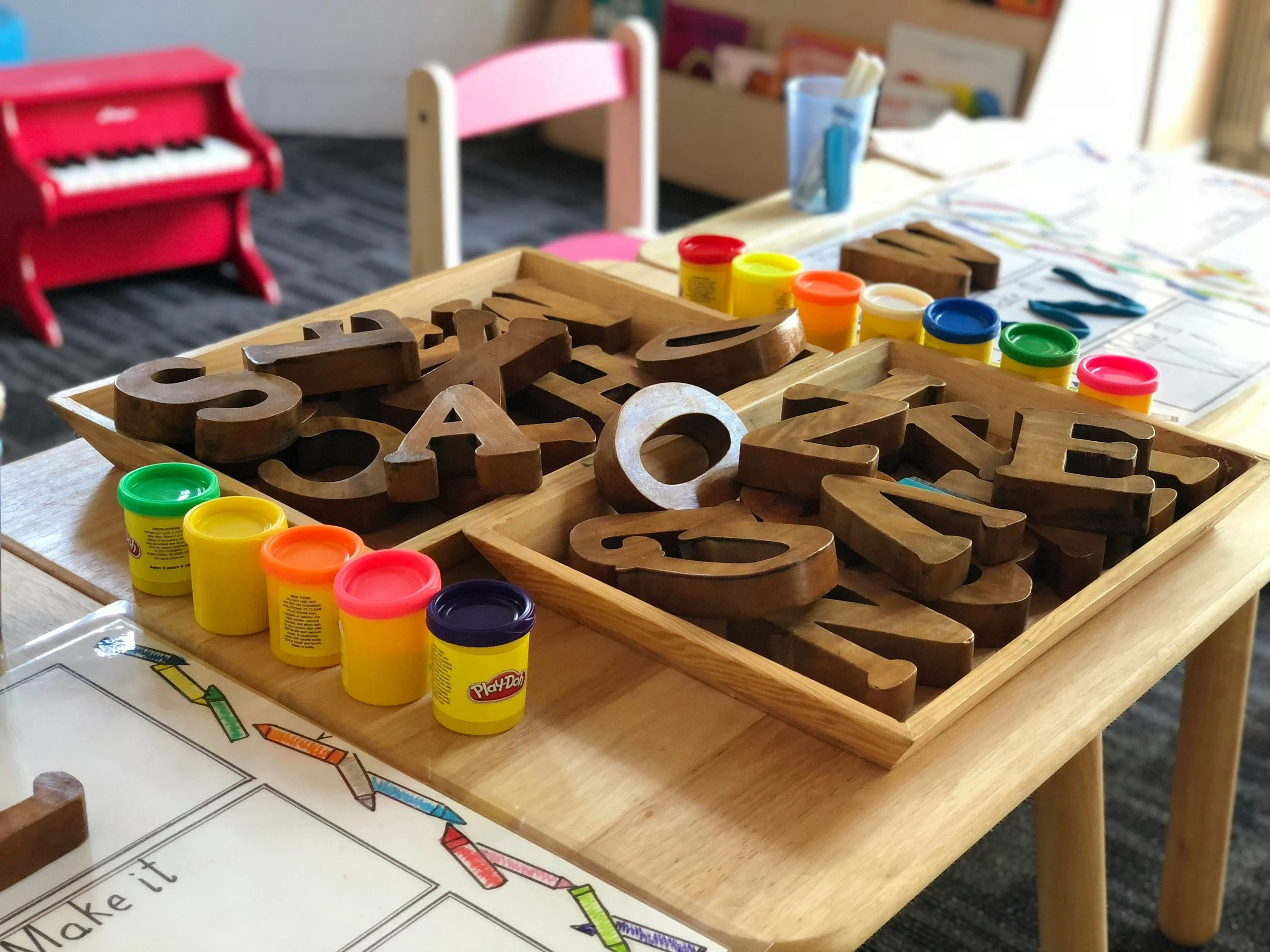
Photo by Gautam Arora on Unsplash
You Don't Have to Be a Teacher to Be Your Child's Learning Guide
If you're asking, “Can I homeschool my child if I am not a teacher?”, you may be starting from the wrong question.
Instead, ask:
“What support, resources, and structure would help me give my child the education I want for them?”
You don't need to know everything on day one.
You don't need to teach every concept from memory.
And you don't need to recreate a classroom inside your home.
You need a thoughtful approach, realistic expectations, useful resources, and a willingness to stay connected to how your child is learning.
Homeschooling can be a journey of learning for both of you.
Wondering what homeschooling could look like without a teaching degree? Explore Homeschool Genius Lab and discover a personalized approach designed to support both children and parents.
If you're considering homeschooling but aren't sure where to begin, explore Homeschool Genius Lab to discover how personalized learning, meaningful projects, and ongoing support can help you feel more prepared to guide your child's education.