Child-Centered Homeschool: Learn Around Your Child

Photo by Annie Spratt on Unsplash
Have you ever looked at your homeschool curriculum and thought, “My child is capable of this, so why is this lesson so difficult?”
Maybe your child becomes excited when learning about animals but loses interest after five minutes of a workbook. Maybe they understand math when building something but struggle to stay engaged with repetitive exercises. Or perhaps they simply need more time to process, explore, ask questions, or approach a concept differently.
These moments can leave parents wondering whether they are doing something wrong.
Often, the problem isn't that your child isn't ready to learn. It may be that the way the learning is being presented doesn't match the way your child connects with it.
This is where a child-centered homeschool can offer a different perspective: instead of asking, “How do I get my child to follow the curriculum?”, you begin asking, “How can I use the curriculum to support the way my child learns?”
What Does Child-Centered Homeschooling Mean?
A child-centered homeschool doesn't mean that children simply do whatever they want, whenever they want.
Instead, it means that your child's strengths, interests, pace, abilities, and goals become important considerations when designing the learning experience.
There can still be structure, expectations, meaningful academic goals, and opportunities to develop skills. The difference is that the path toward those goals can be more flexible.
For example, a child who loves storytelling might explore history through creating a fictional character from another time period. A child fascinated by nature could practice writing by keeping a nature journal. Another child might understand mathematical concepts more deeply while cooking, building, designing, or managing a small project.
The goal isn't to make learning easier.
The goal is to make learning more meaningful.
Move From “Finishing the Curriculum” to “Understanding the Child”
One of the most common homeschooling pressures is feeling that every page must be completed exactly as written.
But a curriculum is a resource—not a measure of your child's potential.
If your child already understands a concept, spending excessive time repeating it may create unnecessary frustration. If a topic sparks genuine curiosity, moving beyond the original lesson may create an opportunity for deeper learning.
A personalized homeschool curriculum gives parents room to ask:
What does my child already know?
What are they curious about?
What comes naturally to them?
Where do they need more practice?
What pace allows them to understand without unnecessary pressure?
How can their interests connect different areas of learning?
These questions shift the focus from compliance to connection.
Build a Homeschool Based on Your Child’s Interests
Interests can be powerful entry points for learning.
Imagine your child becomes fascinated by space. That single interest can open doors to reading, writing, science, mathematics, geography, art, research, and even entrepreneurship.
You might:
Explore science: Learn about planets, gravity, or the solar system.
Practice reading: Choose books or articles about astronauts and space exploration.
Use mathematics: Calculate distances, compare planetary sizes, or create graphs.
Develop writing: Write a fictional mission log or research report.
Practice creativity: Design a spacecraft or create a model of the solar system.
This is what learning can look like when a homeschool is based on the child's interests rather than treating every subject as an isolated task.
The interest becomes the doorway—not the entire destination.
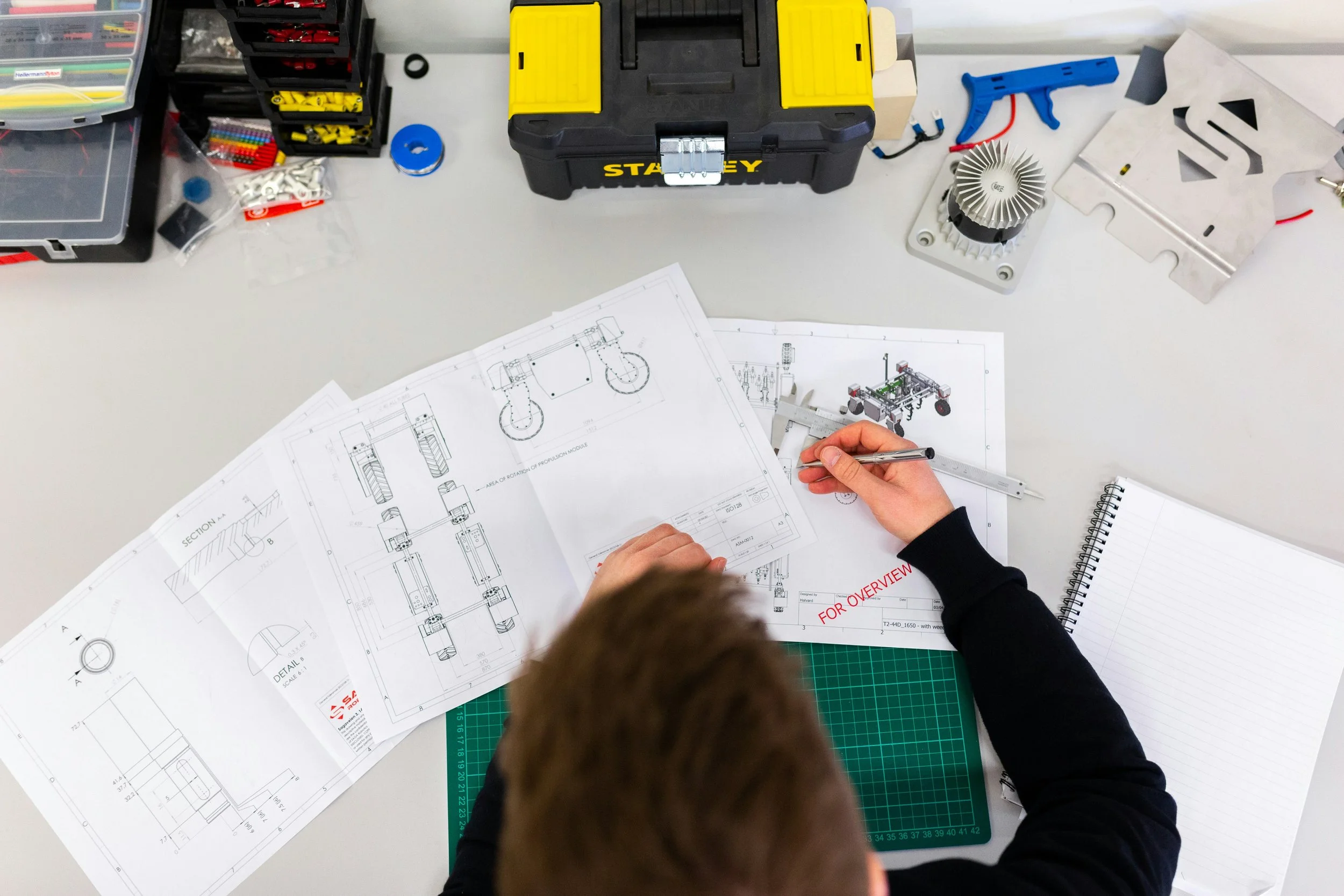
Photo by ThisisEngineering on Unsplash
Give Your Child Room to Learn at Their Own Pace
Flexible homeschooling also means recognizing that learning doesn't always happen in a perfectly linear way.
Some concepts may click quickly. Others may require repetition, conversation, hands-on practice, or time away before the child returns with a fresh perspective.
Instead of constantly asking, “Are we on schedule?”, consider asking:
“Is my child making meaningful progress?”
That small change in perspective can help parents create a more sustainable homeschool environment.
A child may need more time with one concept while moving ahead quickly in another area. Individualized learning allows those differences to exist without turning them into a problem.
Start With Strengths, Not Just Challenges
When planning education, it is natural to focus on what needs improvement.
But what happens when we also intentionally look at what a child does well?
A child who is naturally curious can use that curiosity to explore challenging subjects. A child who communicates through movement can benefit from hands-on experiences. A child who enjoys creating can demonstrate understanding through projects, models, presentations, or other meaningful work.
This is the heart of strengths-based education.
It doesn't mean ignoring areas that need development. Instead, it means using existing strengths as bridges toward new skills.
Your child's interests, talents, and natural abilities can become part of the learning strategy.
You Don't Have to Choose Between Structure and Flexibility
Some parents worry that a flexible homeschool will become chaotic.
It doesn't have to.
You can create a framework while still leaving room for your child.
For example, your family might establish consistent learning times while allowing your child to choose between several activities. You might have academic goals for the month while giving your child flexibility in how they demonstrate what they learned.
You can also use projects to bring multiple subjects together instead of treating every lesson as a separate requirement.
This balance—structure with flexibility—can make homeschooling feel more intentional and sustainable.
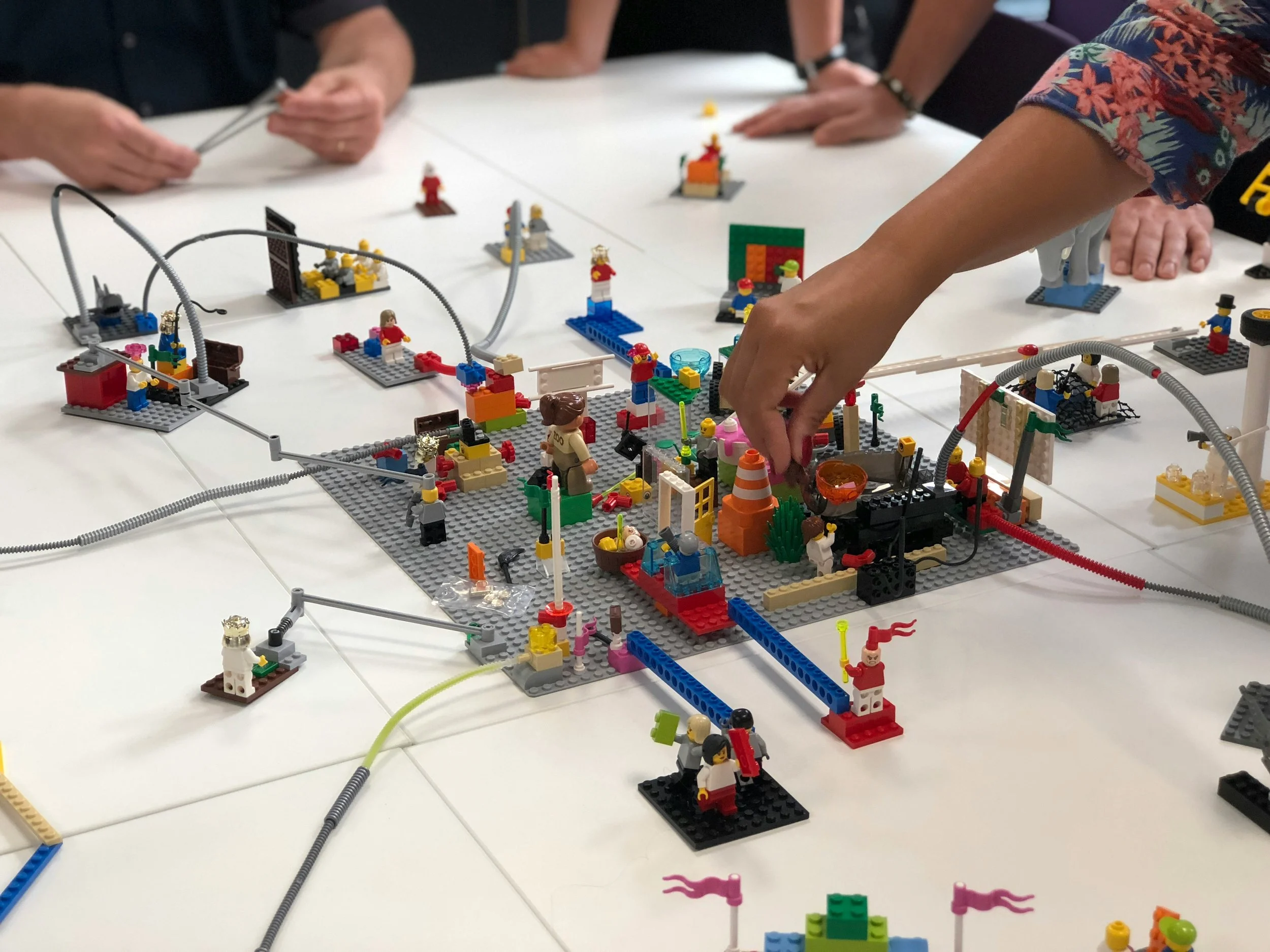
Photo by Amélie Mourichon on Unsplash
How Homeschool Genius Lab Supports a Child-Centered Homeschool
At Homeschool Genius Lab, we believe education can begin with the child rather than asking every child to fit the same academic mold.
Our approach supports families in creating a personalized learning experience that considers each child's strengths, interests, temperament, abilities, and goals.
Through flexible, project-based learning, families can create meaningful opportunities for children to explore ideas, develop their talents, build confidence, and become more active participants in their education.
The purpose isn't to remove challenge from learning.
It's to create an environment where challenge can be approached in a way that respects the individual child.
For families looking for a customized homeschool program, this can provide a more intentional starting point: one that recognizes that children don't all need to follow exactly the same path to grow and learn.
Your Homeschool Can Grow With Your Child
A child-centered homeschool doesn't require you to have everything figured out from the beginning.
You can observe. Adjust. Try something new. Follow a question. Slow down when needed. Go deeper when curiosity appears.
Most importantly, you can continue learning about your child as you educate them.
Because homeschooling isn't only about choosing what your child will learn.
It's also about discovering how they engage with the world, what inspires them, and which strengths can help them continue growing.
When education makes space for the individual child, learning can become more connected, purposeful, and personal.
Start with the child, then build the learning path. Learn more about Homeschool Genius Lab and see how personalized homeschooling can support your family's educational goals.