Homeschooling Multiple Children Without the Overwhelm
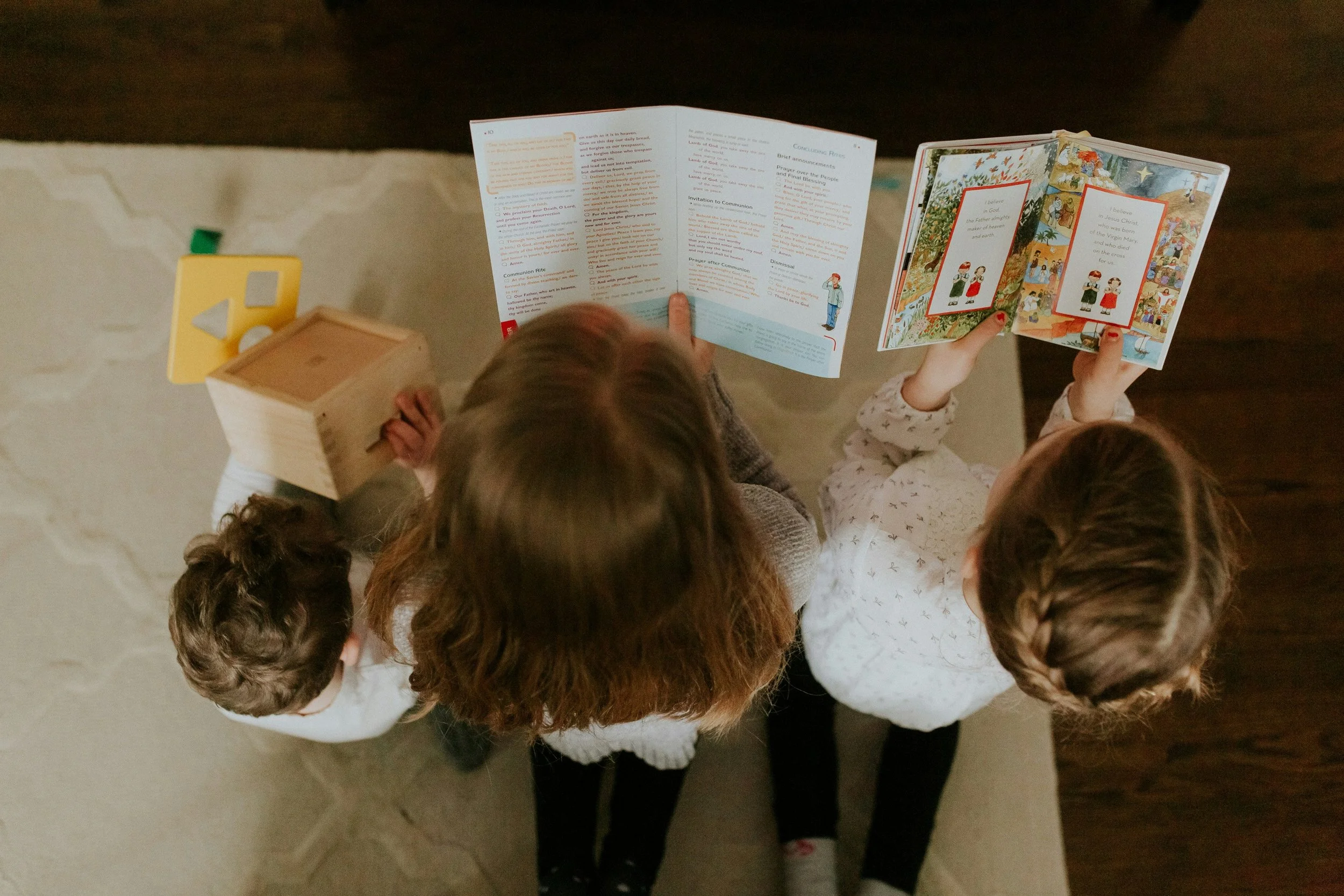
Photo by Christi Marcheschi on Unsplash
You have one child working on math, another asking for help with reading, someone else needs you to explain a science assignment—and suddenly the kitchen table feels like a classroom, office, and command center all at once.
If you've ever thought, “How am I supposed to teach everyone and still have a family life?”, you're not alone.
Homeschooling multiple children can be incredibly rewarding, but it also comes with a unique challenge: your children are individuals.
They may be different ages. They may have different interests, abilities, personalities, learning preferences, and levels of independence. What works beautifully for one child may not work at all for another.
The good news is that you don't have to create a completely separate school day for every child.
A manageable homeschool often begins with a simple shift:
Instead of organizing your entire day around each child's curriculum, organize your learning environment around your family.
Homeschooling Multiple Children Doesn't Mean Teaching Everyone Separately
One of the biggest sources of stress when homeschooling siblings is the belief that every child needs their own lesson, at their own time, with their own materials, every day.
Sometimes individual instruction is necessary. But not everything has to be separate.
Many subjects and activities can be shared while the expectations are adjusted by age.
For example, your family might explore the same science topic together. Your youngest child could draw and label what they observe, while an older child researches the topic and writes a report.
Everyone is learning about the same subject—but at a level appropriate for them.
This approach can make teaching different grade levels at home feel much more manageable.
Build Your Schedule Around Learning Blocks
A rigid schedule with dozens of transitions can be difficult when you have several children.
Instead, consider creating a few flexible learning blocks.
For example:
Morning: Family learning, reading, discussion, or a shared project.
Midday: Individual academic work while you rotate between children.
Afternoon: Hands-on activities, outdoor learning, projects, or independent work.
The exact schedule will look different for every family.
The important part is creating a rhythm that gives everyone a general sense of what comes next without requiring every minute to go according to plan.
A flexible homeschool routine can provide structure without turning the day into a race against the clock.
Look for Learning Opportunities That Bring Siblings Together
When homeschooling siblings, you don't always have to choose between individual learning and family learning.
Some of the most valuable experiences can involve everyone.
Imagine your family decides to create a small garden.
A younger child might learn plant names and practice counting seeds.
An elementary-aged child could measure the garden and track plant growth.
An older student could research soil composition, calculate costs, document the process, or explore the economics of growing and selling produce.
Everyone contributes.
Everyone learns.
And you don't have to manage three completely separate lessons.
This is where family project-based learning can become especially useful.
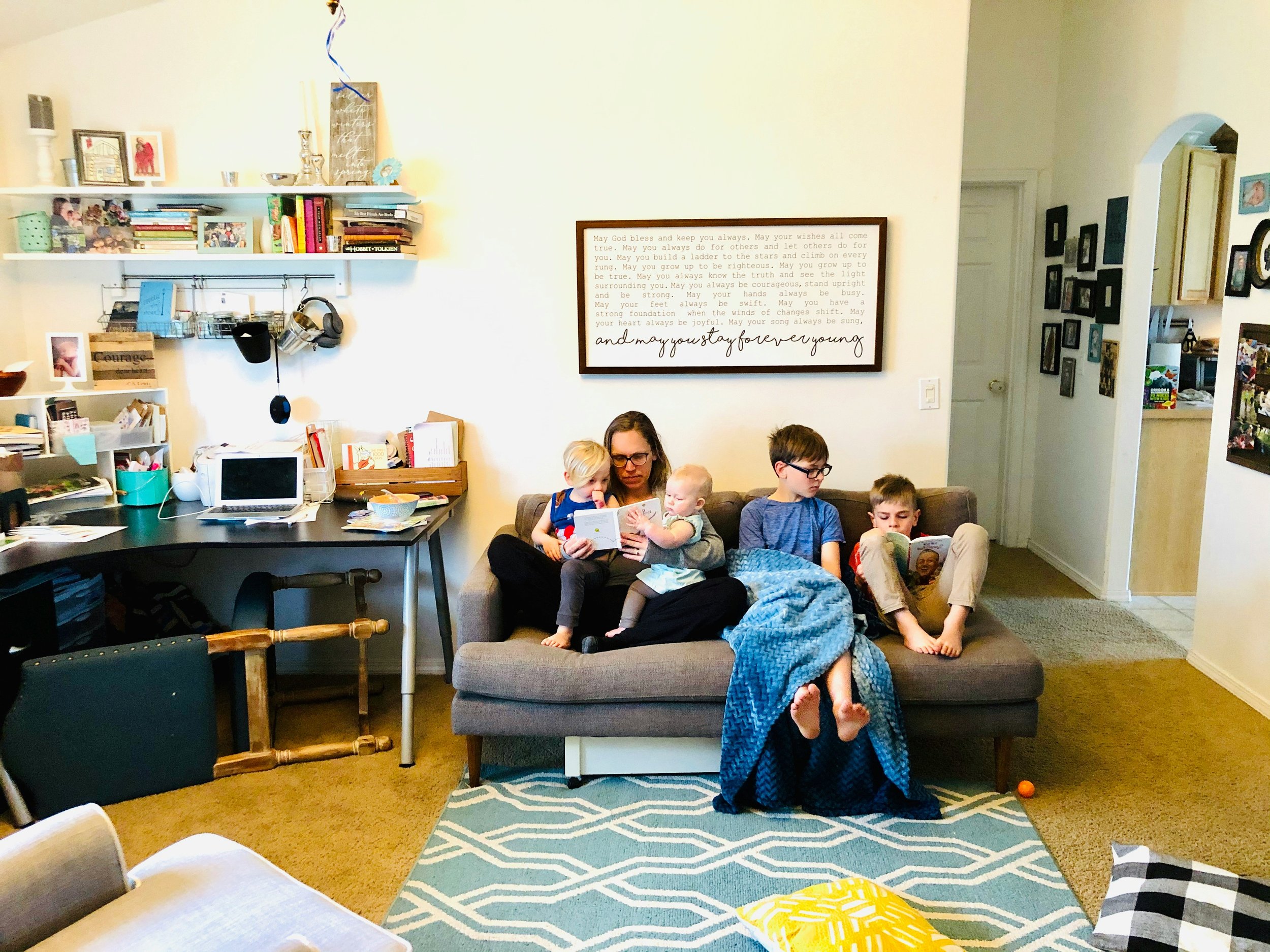
Photo by Brooks Rice on Unsplash
Give Each Child Their Own Learning Path
Shared learning doesn't mean every child should learn the same things in the same way.
Your children can participate in a common experience while working toward different goals.
For example, if the family is studying ancient civilizations:
One child might create artwork inspired by the culture.
Another might read and summarize historical information.
An older child might compare political systems or research primary sources.
Another child might build a model or create a presentation.
The topic connects the family.
The learning goals remain individualized.
This balance allows you to practice individualized learning without making your homeschool feel like four completely separate classrooms.
Teach Children How to Work Independently
One of the most helpful skills children can develop in a multi-child homeschool is independence.
That doesn't mean expecting young children to manage their entire education alone.
It means gradually giving children opportunities to do what they are capable of doing without waiting for a parent to be available for every step.
Depending on age and readiness, independent learning might include:
Reading independently.
Following a simple project checklist.
Reviewing instructions before asking for help.
Working on a familiar skill independently.
Choosing between approved learning activities.
Recording questions to discuss later.
Organizing materials after completing a project.
As children develop these habits, your role can gradually shift from doing everything with them to guiding, checking in, and providing support where it matters most.
Don't Expect Every Child to Have the Same Pace
One child may finish an activity in twenty minutes.
Another may need an hour.
One may be ready for more advanced work.
Another may need additional practice before moving forward.
This is one reason a homeschool schedule for multiple children should have room for variation.
Instead of asking every child to move through the same lesson at exactly the same pace, establish clear goals and allow reasonable flexibility in how they reach them.
The goal is not for everyone to be doing the same thing at the same time.
The goal is for everyone to be meaningfully learning.
Simplify What Doesn't Need to Be Complicated
When you're managing homeschool with several children, simplicity becomes valuable.
You don't need a separate elaborate system for every part of your day.
Look for ways to combine:
Subjects: Connect multiple academic areas through one meaningful project.
Materials: Use resources that can be adapted for different ages.
Routines: Create predictable rhythms that children can understand.
Instructions: Teach children how to use recurring processes independently.
Family time: Turn everyday activities into opportunities for learning.
Cooking dinner can involve fractions and measurement.
Grocery shopping can involve budgeting and comparison.
A family walk can become a nature study.
Planning a trip can involve geography, research, writing, and mathematics.
Learning doesn't have to compete with family life.
Sometimes, family life can become part of the learning experience.
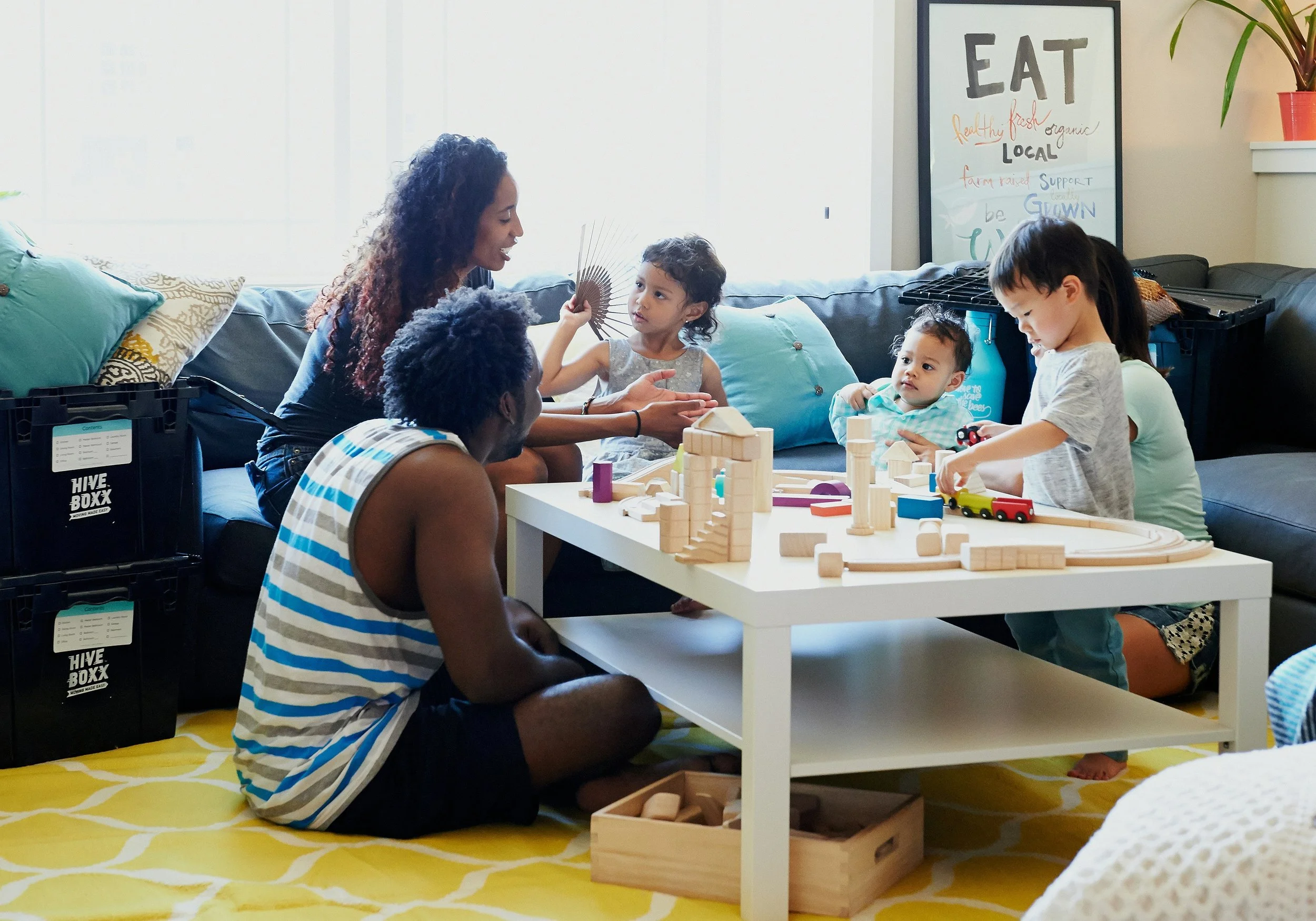
Protect the Family Environment, Not Just the School Schedule
A homeschool routine should support your family—not consume it.
If your daily plan requires constant rushing, correcting, reminding, and switching between activities, it may be worth stepping back and asking what can be simplified.
You don't have to complete every possible activity.
You don't have to recreate a traditional classroom at home.
And you don't have to prove that your homeschool is working by how busy everyone is.
A successful day might be surprisingly simple:
A shared conversation.
A focused reading session.
A math lesson.
A meaningful project.
Time outdoors.
A child independently exploring an interest.
A family meal where everyone talks about what they discovered.
Learning can happen without every moment being scheduled.
How Homeschool Genius Lab Can Help Families With Multiple Children
At Homeschool Genius Lab, we recognize that families don't come with one-size-fits-all learning needs.
Our approach supports personalized learning experiences while allowing families to incorporate flexible routines, meaningful projects, and age-appropriate independence.
Children can work toward individual learning goals while also participating in shared experiences that bring the family together.
This can be especially helpful for parents who want to simplify their homeschool without giving up personalization.
Rather than trying to make every child follow the exact same academic path, families can create learning experiences that reflect each child's interests, strengths, abilities, pace, and goals.
The result isn't necessarily a shorter school day or a perfect routine.
It's an opportunity to create a learning environment that feels more manageable and connected to the way your family actually lives.
You Don't Need to Homeschool Several Children as Several Separate Schools
When you first begin homeschooling multiple children, it can be tempting to think:
“I need to teach each child everything, separately, every day.”
But your homeschool can be designed differently.
Some learning can happen together.
Some learning can happen independently.
Some learning can happen through projects.
Some learning can happen through everyday life.
And some learning will require your direct attention.
The goal is to find a rhythm that respects all of those needs without requiring you to be everywhere at once.
Your children don't need identical learning experiences.
They need opportunities to grow.
And your family doesn't need a perfect schedule.
It needs a sustainable one.
Different children. Different strengths. One connected learning experience. Explore Homeschool Genius Lab and discover a more flexible way to homeschool your children while honoring what makes each one unique.