How to Prevent Summer Learning Loss Without Worksheets

Photo by Drew Perales on Unsplash
A Homeschool Parent's Guide to Meaningful Summer Learning
Wondering how to prevent summer learning loss without worksheets? The good news is that keeping children learning during the summer doesn't require endless academic packets, rigid schedules, or hours of seatwork. Through engaging, project-based, nature-inspired activities, homeschool families can continue nurturing curiosity, creativity, and essential academic skills while still enjoying the freedom and flexibility of summer.
As HomeschoolToGo transitions into HomeschoolToGo Genius Lab, our mission remains the same: helping families create personalized, meaningful learning experiences that honor each child's unique strengths, interests, and learning style.
Summer is often seen as a well-deserved break from academics. After months of lessons, projects, and routines, both parents and children are ready to slow down and enjoy a different pace.
But many homeschool parents wonder:
"Will my child forget everything they learned during the school year?"
The reality is that learning doesn't stop simply because formal lessons pause.
Children continue developing critical skills when they:
Read books they love
Explore nature
Build projects
Travel and discover new places
Ask questions
Solve real-world problems
Practice creativity
In fact, some of the most valuable learning experiences happen outside of traditional academics.
At HomeschoolToGo Genius Lab, we believe summer can become a season of exploration, growth, and connection—where learning happens naturally through meaningful experiences rather than worksheets.
What Is Summer Learning Loss?
Summer learning loss, sometimes called the "summer slide," refers to the decline in academic skills that can occur when children are disengaged from learning for extended periods.
However, learning doesn't only happen through textbooks and worksheets.

Photo by Drew Perales on Unsplash
Why Worksheets Are Not the Answer
Worksheets may provide practice, but they rarely inspire curiosity.
Many children associate worksheets with schoolwork rather than learning.
When summer becomes a continuation of the traditional classroom experience, motivation often decreases.
Instead of asking:
"How can I make my child do school during summer?"
Consider asking:
"How can I help my child continue learning naturally?"
This simple shift changes everything.
1. Encourage Reading for Enjoyment
One of the easiest and most effective ways to maintain academic skills during summer is reading.
The secret is allowing children to choose books that genuinely interest them.
Reading can include:
Novels
Graphic novels
Magazines
Audiobooks
Biographies
Nature guides
Cookbooks
The goal is not to complete assignments.
The goal is to nurture a lifelong love of reading. This can be strengthened further, if the whole family reserves 20 minutes in the day, to read. Where every member reads a book they like for 20 minutes.
Try This:
Create a family reading challenge and track books together throughout the summer.
2. Turn Summer Into Project-Based Learning
Project-Based Learning (PBL) is one of the most powerful ways to keep children engaged.
Instead of studying subjects separately, children learn through meaningful projects.
Examples include:
Entrepreneurship Project
Start a lemonade stand, craft business, or pet-sitting service.
Children naturally practice:
Math
Communication
Marketing
Financial literacy
Problem-solving
Garden Project
Grow herbs, vegetables, or flowers.
Children learn:
Science
Observation
Responsibility
Patience
Family Travel Project
Plan a vacation together.
Children can:
Research destinations
Calculate costs
Create itineraries
Learn geography and history
This is real-world learning at its best.
3. Take Learning Outdoors
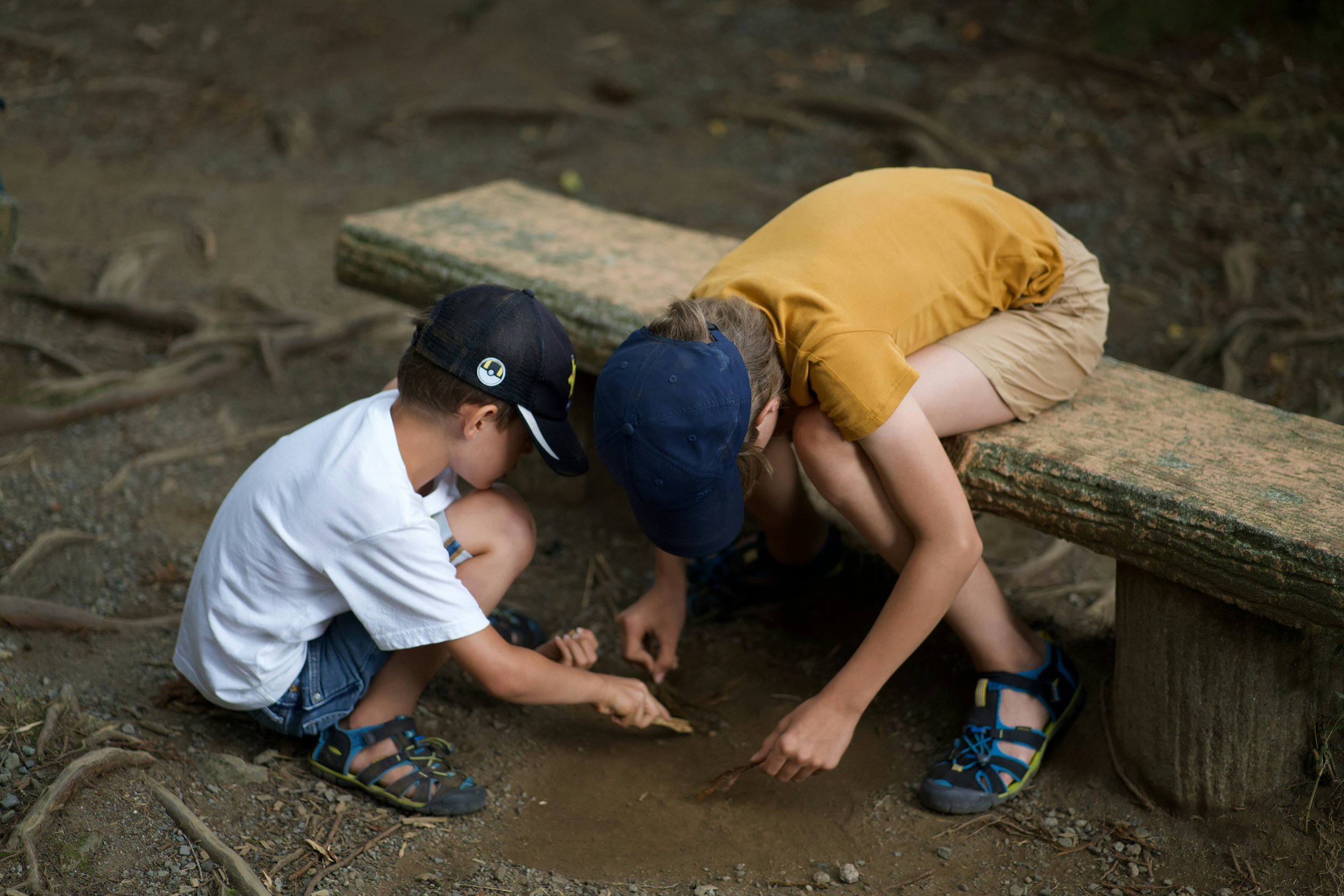
Nature provides endless opportunities for discovery.
Outdoor learning can happen almost anywhere:
Parks
Beaches
Backyards
Hiking trails
Neighborhood walks
Simple activities include:
Nature journals
Weather tracking
Bird observation
Plant identification
Sketching landscapes
Children strengthen observation skills while developing curiosity about the world around them.
4. Follow Your Child's Interests
One of the greatest advantages of homeschooling is the ability to personalize education.
Summer is the perfect time to explore passions that often don't fit into a traditional curriculum.
Ask:
What topics excite my child?
What do they naturally spend time doing?
What questions are they asking?
Whether it's:
Animals
Robotics
Art
Cooking
Coding
Music
Photography
Interest-led learning creates deeper engagement and retention.
5. Build Life Skills Through Everyday Activities
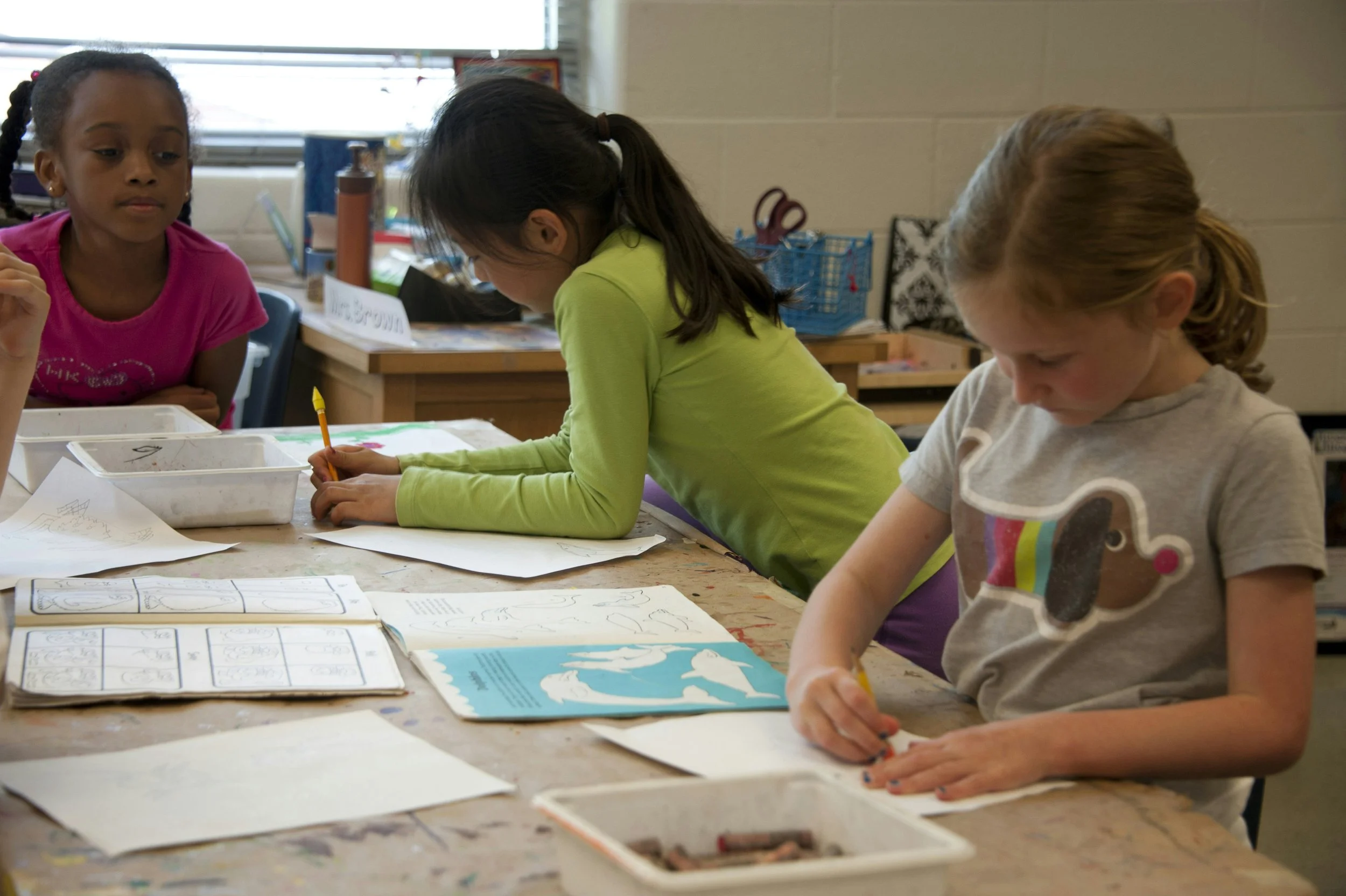
Some of the most important lessons are not found in textbooks.
Summer offers countless opportunities to develop practical life skills.
Children can learn:
Cooking
Budgeting
Time management
Home maintenance
Organization
Communication
Leadership
These skills build confidence and independence while preparing children for real-world success.
6. Create a Summer Curiosity Challenge
Children are natural investigators.
Create a simple challenge:
"Learn One New Thing Every Day"
Examples:
Learn a new word
Identify a new bird
Cook a new recipe
Visit a new place
Research a new topic
Interview a grandparent
Small daily discoveries add up to significant learning over time.
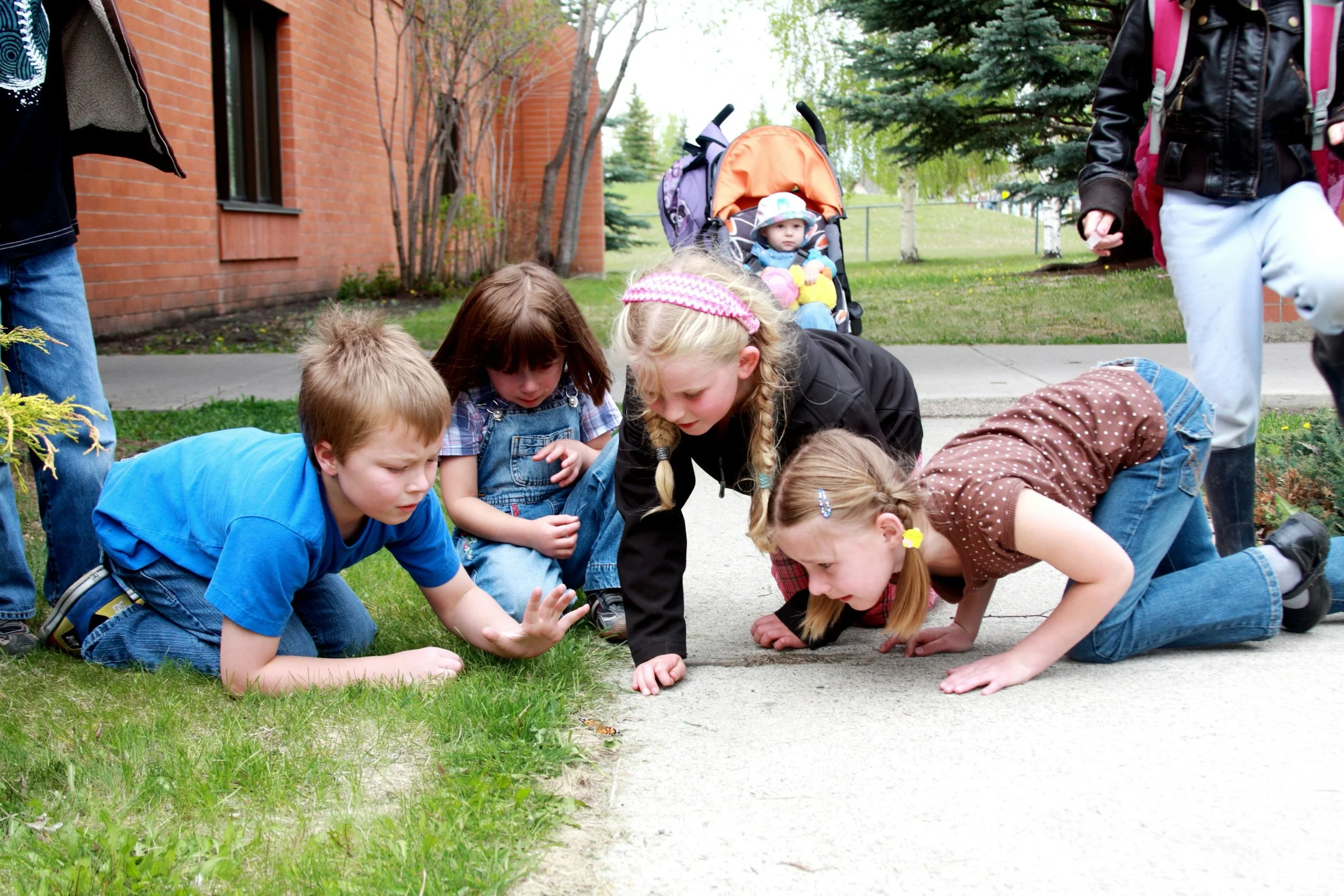
Photo by Anna Khromova on Unsplash
7. Focus on Connection, Not Perfection
Summer is not about recreating school at home.
It is about creating opportunities for growth through:
Conversations
Experiences
Exploration
Family connection
When children feel relaxed, supported, and engaged, learning happens naturally.
The goal is not to fill every hour with academics.
The goal is to keep curiosity alive.
The HomeschoolToGo Genius Lab Approach
At HomeschoolToGo Genius Lab, we believe every child learns differently.
That's why our holistic, bilingual, project-based approach focuses on:
Personalized education
Multiple intelligences
Hands-on learning
Real-world projects
Emotional well-being
Future-ready skills
Summer provides the perfect opportunity to nurture these strengths while giving children the freedom to explore their interests.
Learning doesn't have to stop when the school year ends.
In many ways, it can become even more meaningful.
Final Thoughts
Preventing summer learning loss doesn't require worksheets, busywork, or rigid schedules.
Instead, focus on:
✅ Reading for enjoyment
✅ Exploring nature
✅ Building projects
✅ Following interests
✅ Developing life skills
✅ Encouraging curiosity
When children remain curious, engaged, and connected to their learning, growth continues naturally all summer long.