How to Successfully Homeschool in Two Languages Without Feeling Overwhelmed
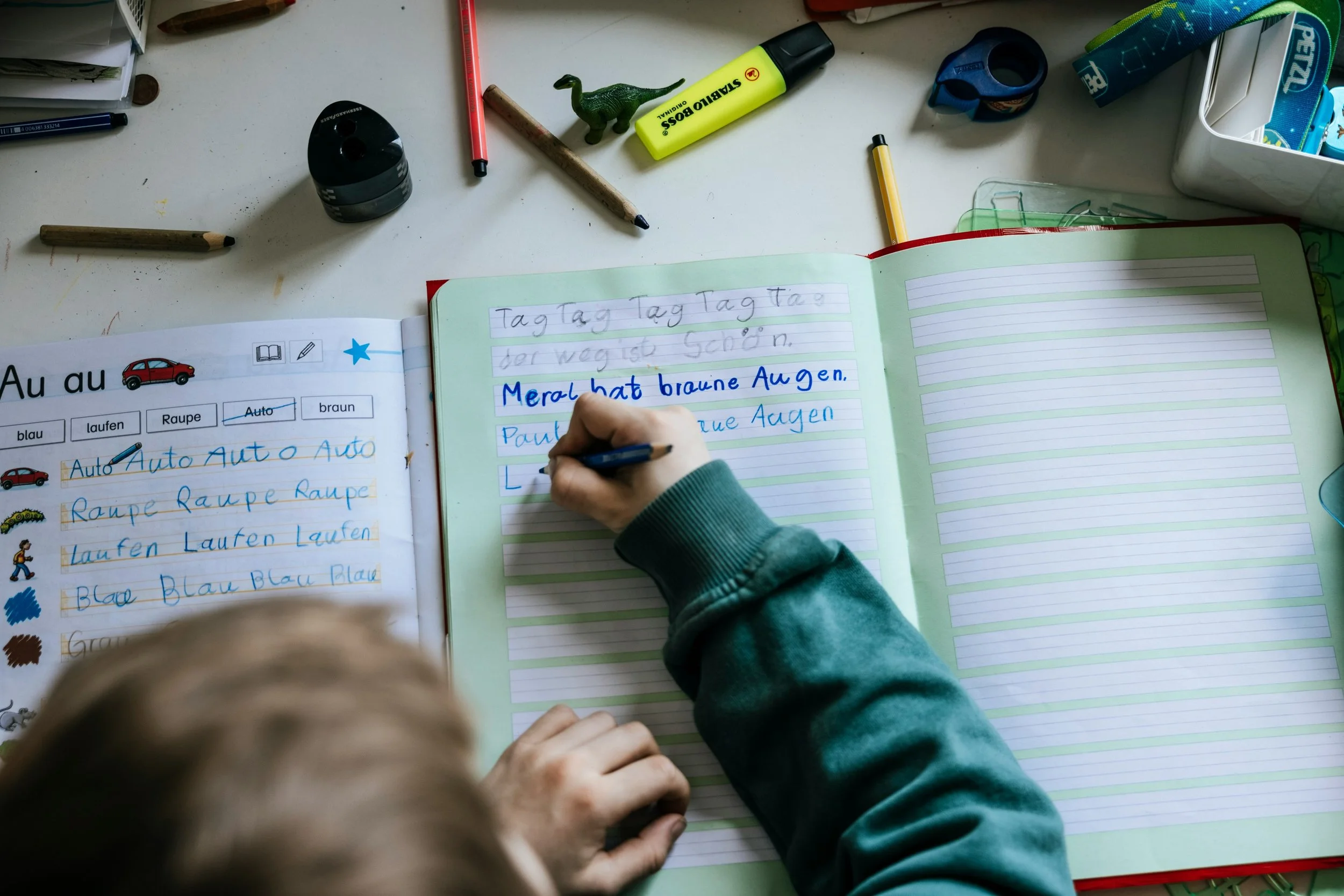
Photo by Markus Spiske on Unsplash
By HomeschoolToGo Genius Lab(formerly HomeschoolToGo.org)
Let's be honest for a moment.
The idea of homeschooling in two languages sounds beautiful in theory. Two languages. Two windows into the world. A child who moves between cultures with ease and confidence. A family that turns its bilingual home into a living classroom.
And then reality arrives — and with it, the questions.
What if I make mistakes in one of the languages? What if my child gets confused? What if I'm not consistent enough? What if I'm doing this all wrong?
Here's what fifteen years of working with bilingual homeschooling families has taught us at HomeschoolToGo Genius Lab: the families who struggle most aren't the ones who try bilingual homeschooling. They're the ones who almost try it — and talk themselves out of it before they begin.
You don't need to be a linguist. You don't need a perfect system from day one. You need a framework that works for your family — and the confidence to start.
This article gives you both.
Why Bilingual Homeschooling Is Worth Every Bit of the Effort
Before we talk about how, let's remind ourselves of why — because the moments of doubt will come, and when they do, you'll want this anchored in your mind.
Children who are educated in two languages don't just speak two languages. They think differently. Research consistently shows that bilingual children develop:
Stronger attention and focus. Managing two language systems simultaneously trains the brain's executive function — the same cognitive muscle responsible for attention, impulse control, and mental flexibility. Bilingual children are, in a measurable way, better at focusing.
Greater empathy and cultural intelligence. A child who lives in two languages inhabits two worlds. They develop a natural sensitivity to how meaning shifts across cultures, how the same idea can be expressed in entirely different ways. That is not just a linguistic skill — it is a human one.
Long-term academic and career advantages. Bilingual students consistently outperform monolingual peers in reading comprehension and analytical reasoning. And in an interconnected world, fluency in two languages is not just a personal asset — it is a professional one that will follow your child for life.
A deeper sense of identity. Language is culture. A child who speaks both languages of their heritage doesn't just communicate more — they belong more fully to both worlds they come from.
The science is clear. The outcomes are real. The question is never whether to pursue bilingual education — it's how to do it in a way that doesn't leave you burned out by Tuesday.
The #1 Mistake Bilingual Homeschooling Families Make
They try to do everything at once.
They buy curricula in both languages. They plan morning lessons in English and afternoon lessons in Spanish. They switch mid-sentence when they can't find the right word. They feel guilty when they forget which day is which language. And within six weeks, the whole structure collapses under its own weight.
Sound familiar?
The solution isn't to do more. It's to do smarter — with a structure that's simple enough to actually maintain.
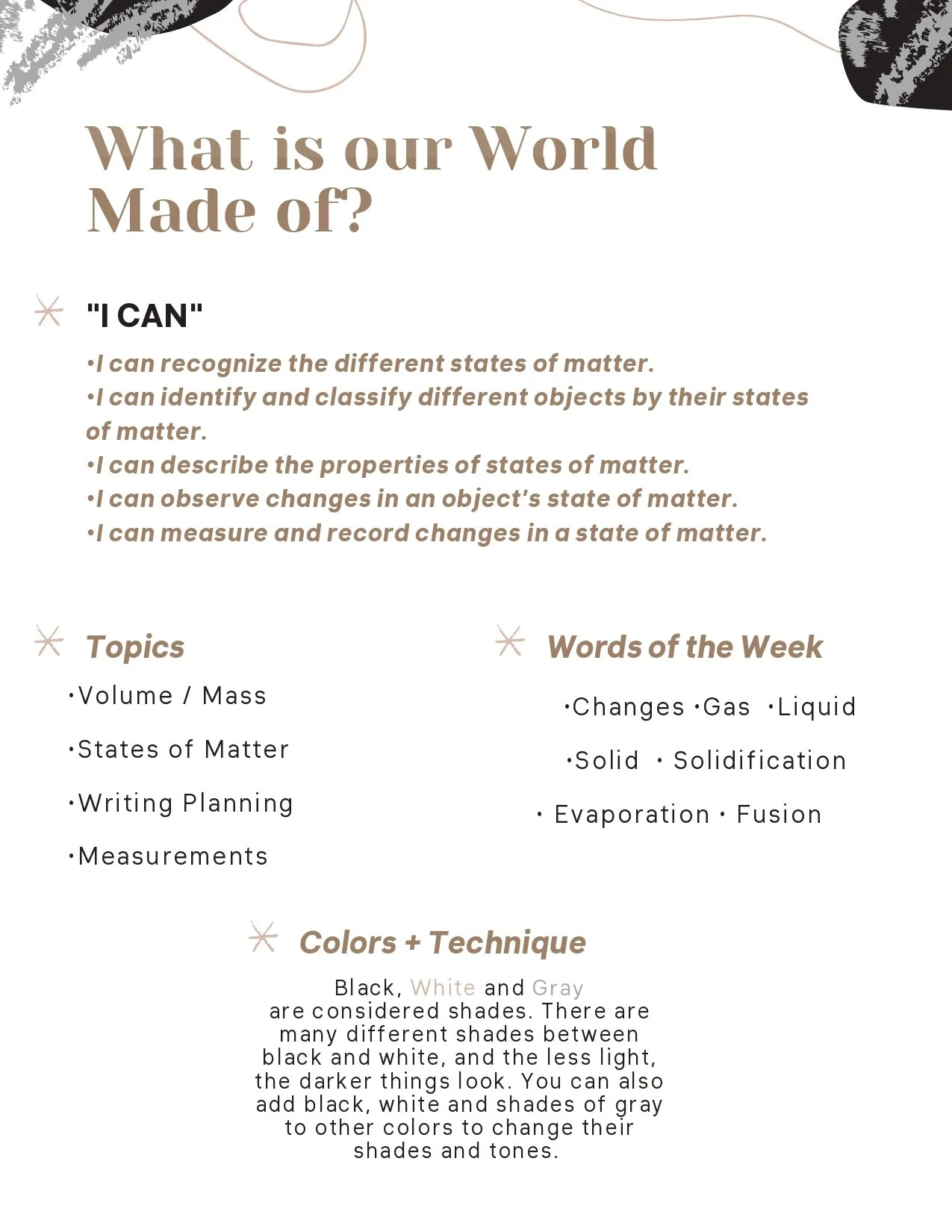
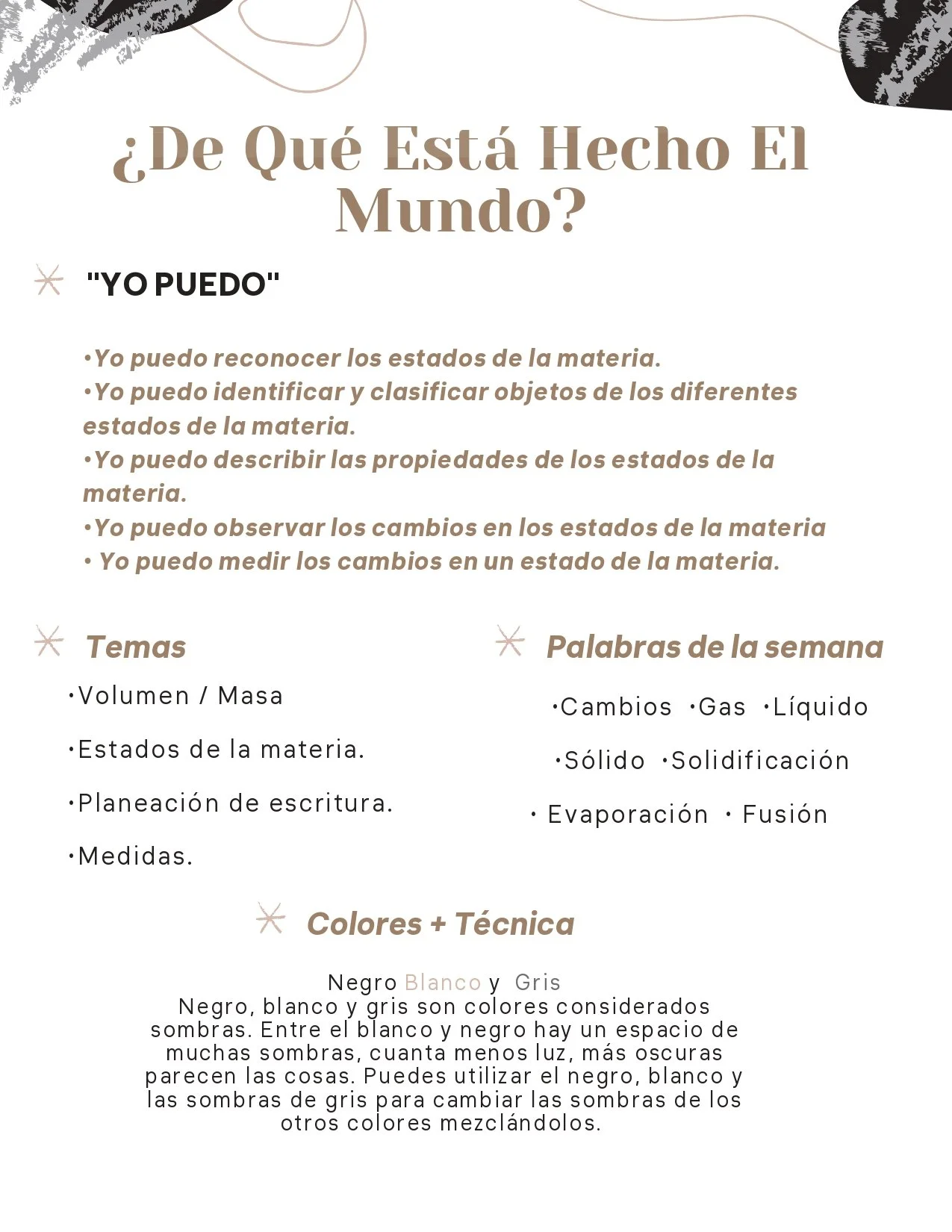
The One Method That Changes Everything: One Day, One Language
The most research-backed and practically sustainable approach to bilingual homeschooling is beautifully simple: one language per day.
Monday: English. Tuesday: Spanish. Wednesday: English. And so on.
That's it. No mid-sentence switching. No mental gymnastics trying to remember which subject is in which language. No guilt when you forget. Just one clear rule that your whole family can understand, follow, and eventually forget about — because it becomes second nature.
Here's why it works so well:
The brain learns better in blocks. Immersive, sustained exposure to one language at a time is how the brain builds deep fluency — not scattered exposure across the day. Neurolinguistic research consistently supports this.
It removes the decision fatigue. When the rule is simple and consistent, you're not spending mental energy on logistics. That energy goes back into actual teaching — and actual living.
Children adapt faster than you expect. Within a few weeks, most children naturally begin to associate certain days with certain languages. They wake up on a Spanish day and shift. It becomes part of their rhythm, not a burden.
It's honest. Switching languages mid-sentence when you don't know a word is called code-switching, and while it's a natural bilingual behavior, it isn't the same as building academic fluency in both languages. The one-day-one-language method keeps both languages strong and distinct.
Which Language Gets Which Day?
This is where personalization matters — and where many families get it backwards.
The most common instinct is to give the dominant language more days. English is everywhere, so English gets more time. But this is precisely the wrong approach.
The minority language — the one your child hears less of outside your home — needs more protection, not less.
If your family is in an English-speaking country and Spanish is your home language, Spanish needs to be front and center in your homeschool. English will take care of itself. It is in the movies, the friends, the stores, the internet. Spanish needs you.
A practical guide:
If English dominates your child's daily life — lean your homeschool heavily toward Spanish. Three Spanish days to two English days is a reasonable starting ratio.
If both languages are roughly equal at home — alternate evenly, and pay attention to which one slips first. That one needs more support.
If Spanish dominates at home — an even split, or slightly more English, helps ensure academic fluency in both.
At HomeschoolToGo Genius Lab, we assess exactly this during our initial Psychological Assessment — looking at your child's language environment, exposure, and dominant fluency before recommending a structure. There is no universal ratio because there is no universal family.
Practical Daily Rhythms That Actually Work
Here's what a sustainable bilingual homeschool day might look like — not a rigid schedule, but a rhythm your family can breathe inside.
A Spanish Day (Sample)
Morning — Begin with a read-aloud in Spanish. It doesn't have to be long. Fifteen minutes of a beautiful story in Spanish does more for language acquisition than thirty minutes of flashcard drilling.
Core lessons — Math, science, history — all in Spanish today. If your child struggles with a concept in Spanish, you can support their understanding, but keep the instruction in Spanish. The struggle is part of the learning.
Creative time — Drawing, building, music, journaling — all in Spanish. Creative activities are one of the fastest pathways to natural language use because the pressure is lower.
Evening — Dinner conversation in Spanish. Even one meal a day in the minority language compounds powerfully over months and years.
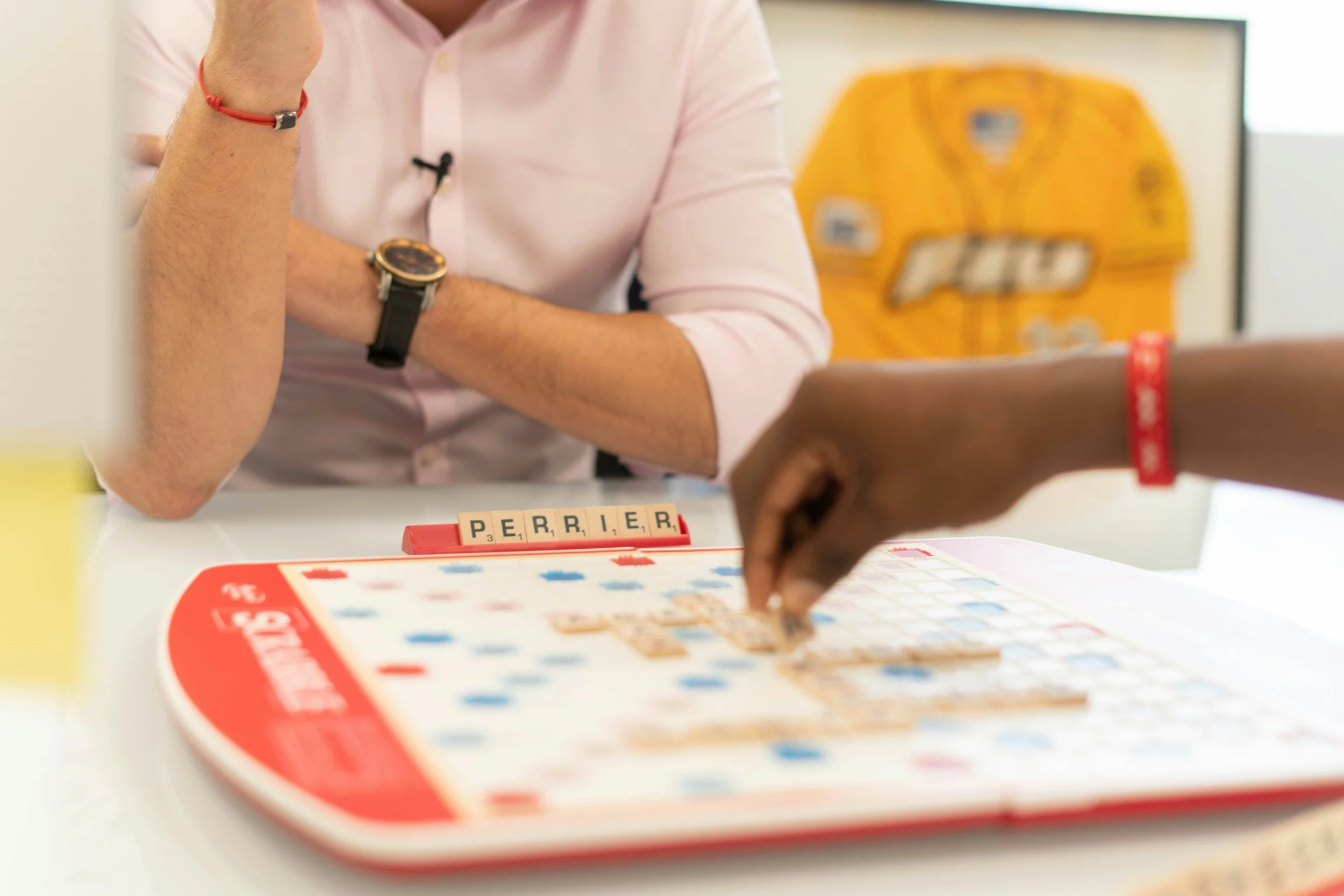
Photo by John Benitez on Unsplash
An English Day (Sample)
Morning — Read-aloud in English, followed by writing practice. Journaling, narration, creative writing — English days are a great time to develop academic writing skills.
Core lessons — Science experiments, geography, literature — in English. Project-Based Learning works beautifully here; build something, research something, present something.
Afternoon — Audiobooks, podcasts, documentaries in English. Passive immersion on English days extends exposure without adding to your teaching load.
What to Do When Your Child Refuses to Speak the Day's Language
It will happen. Guaranteed.
Your child will switch to the other language mid-lesson. They'll claim they don't know the word. They'll dig their heels in and insist in English on a Spanish day — or vice versa.
This is normal. This is not failure. This is a child testing a boundary, the same way they test every boundary.
Here's what works:
Stay calm and stay consistent. Respond in the day's language. Don't lecture. Don't negotiate. Simply model the behavior you're expecting. "Hoy es día de español. ¿Cómo se dice?"
Offer the word, don't demand it. If your child genuinely doesn't know a word in the day's language, offer it naturally rather than making the moment a test. "The word is jardín. Can you say it?" Then move on.
Make it a game, not a battle. Keep a "language jar" — every time someone uses the wrong language on purpose, they add a small token. At the end of the week, the tokens buy something fun. The game reduces the emotional charge and makes the whole thing lighter.
Pick your moments. If your child is upset, tired, or overwhelmed, this is not the moment to enforce language rules. Emotional safety comes first. Always. But you can offer emotional support in the day’s language, without demanding a response in the same language.
Celebrate the attempts, not the perfection. A child who tries to say something in Spanish and gets it mostly wrong is doing something brave. Celebrate that bravery. Instead of saying ‘no’ or ‘wrong’; say the word they are trying to express, without sounding like you're correcting them, but rather acknowledging what they are trying to say. The medium is the message.
The Subjects That Work Best in Each Language
Not all subjects are created equal when it comes to bilingual homeschooling. Some content areas lend themselves beautifully to one language or another — and being strategic about this makes your life significantly easier.
Spanish shines in:
Literature, poetry, and storytelling — Spanish has an extraordinarily rich literary tradition that will captivate children who love stories
Social studies and cultural history — learning about Latin American history, geography, and traditions in Spanish adds depth that translation can't replicate
Art and music — creativity flows more freely in a child's stronger or more emotionally connected language
Family conversations and life skills — cooking, gardening, managing money, caring for others
English works beautifully for:
Science and technology — the global language of STEM is English, and early academic fluency here is a genuine long-term advantage
Writing and research skills — academic English writing is a skill your child will use for decades; build it intentionally
Current events and media literacy — most of the media your child will encounter in their lifetime will be in English
Entrepreneurship and public speaking — if your child will eventually pitch ideas, present projects, or build a business, English fluency in these areas matters
Photo by eleni koureas on Unsplash
Curriculum: Do You Need to Buy Two Complete Programs?
No. And attempting to do so is one of the fastest routes to burnout.
What you actually need:
One strong anchor curriculum in your family's weaker academic language (usually Spanish for English-dominant families). This becomes the spine of your homeschool.
Supplementary materials in the second language — library books, audiobooks, documentaries, online resources — that enrich without adding structure.
Real-world immersion that doesn't cost a thing: conversations, cooking from recipes in the target language, music, films, and community connections with other speakers.
At HomeschoolToGo Genius Lab, we help families build this blend — a personalized curriculum that uses both languages intentionally, without overwhelming the family's time or budget. Our goal is to get you homeschooling effectively in less than 7 hours per week — in two languages.
When You're the One Who Isn't Fluent
One of the most common fears we hear: "What if my Spanish isn't good enough?"
Here is the truth: you do not need to be fluent to homeschool in two languages.
What you need is to be a committed, consistent language model — imperfect, real, and willing to learn alongside your child. Children who watch a parent struggle to remember a word in their second language, look it up, laugh about it, and try again are learning something extraordinarily valuable: that language learning is a lifelong process, that mistakes are part of it, and that persistence matters more than perfection.
Some practical strategies for less-fluent parents:
Use resources that do the heavy lifting. Spanish-language audiobooks, videos, and online classes can provide immersion your child needs even when you can't.
Learn alongside your child. Pick up the same curriculum your child is using. Go through the lessons together. Make it a shared adventure.
Connect with a bilingual educator or tutor. Even a few sessions per week with a fluent speaker can close the gap significantly. This is exactly the kind of support our one-on-one sessions at HomeschoolToGo Genius Lab are designed to provide.
Don't let perfect be the enemy of good. An imperfect Spanish environment at home is infinitely more valuable than no Spanish environment at all.
Building a Bilingual Community Around Your Family
One of the most powerful things you can do for your bilingual homeschool — and one of the most underrated — is to build a community of families doing the same thing.
Homeschooling in two languages is still rare enough that your child may not have peers who share this experience. Finding that community matters — not just for your child's motivation, but for yours.
Where to look:
Local Spanish-speaking community groups, churches, or cultural organizations
Bilingual homeschool co-ops (they exist, and they're growing)
Online communities of bilingual homeschooling families like the one we are building inside HomeschoolToGo Genius Lab.
Language exchange programs where your child teaches English to a native Spanish speaker and learns Spanish in return
Travel camps and immersive programs — like the ones offered through HomeschoolToGo Genius Lab — that bring bilingual homeschool families together in real life
The families who sustain bilingual homeschooling long-term almost always have one thing in common: they don't do it alone.
Photo by Marija Zaric on Unsplash
You Are More Ready Than You Think
Here is what we've learned after years of walking alongside bilingual homeschooling families:
The moment you commit to raising your child in two languages, you've already done the hardest part. Everything after that is just strategy, support, and showing up — imperfectly, consistently, lovingly.
Your child doesn't need a perfect bilingual educator. They need you — committed, curious, and willing to figure it out as you go.
HomeschoolToGo Genius Lab is here to make sure you never have to figure it out alone.