Project-Based Learning for Homeschool: Beyond Textbooks
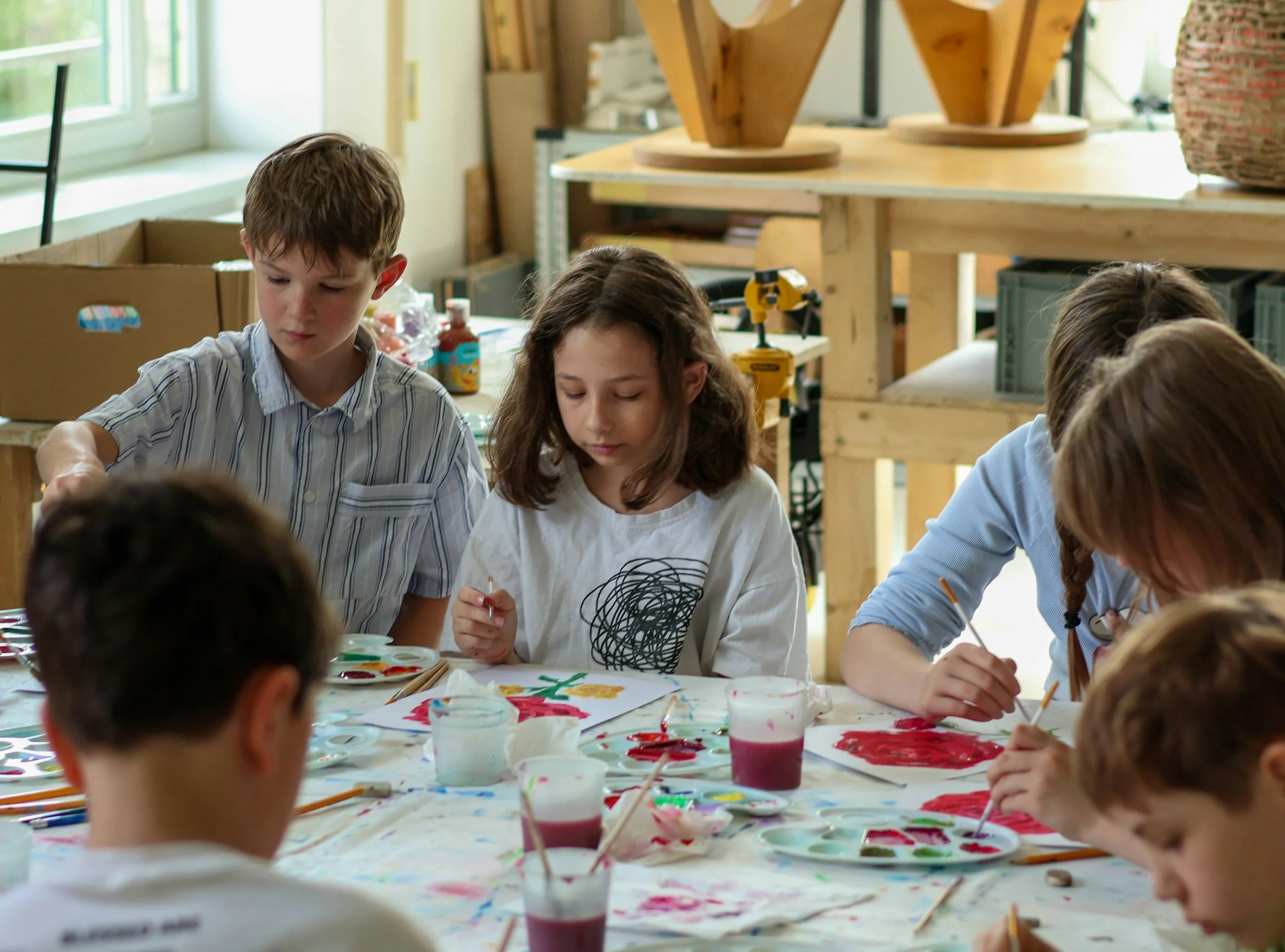
Photo by Yegor Makarenko on Unsplash
Have you ever watched your child memorize something for a quiz, only to realize a few days later that they barely remember it?
Or maybe your child can complete a worksheet correctly but asks, “When am I ever going to use this?”
These moments can make parents question whether their children are truly understanding what they are learning—or simply learning how to complete assignments.
Textbooks can be useful tools, but they don't have to be the center of every homeschool experience.
For many families, project-based learning for homeschool offers another way to connect academic concepts with the world children actually live in.
Instead of only reading about a concept, children have opportunities to explore it, apply it, create something with it, and discover why it matters.
And sometimes, that's when learning begins to feel real.
What Is Project-Based Learning for Homeschool?
Project-based learning is an approach where children learn through meaningful projects that involve exploring questions, solving problems, creating something, researching information, and applying knowledge.
A project doesn't have to be complicated.
It could be planning a family garden, designing a small business, restoring an old bicycle, creating a budget for a family activity, researching a local ecosystem, or designing a model of a sustainable home.
What makes it different from simply completing an assignment is the connection between knowledge and application.
Children aren't just learning about percentages. They might use percentages while comparing prices.
They're not only practicing writing. They might write a proposal, create a story, or document their project.
They're not simply studying science. They might observe, experiment, build, and record what happens.
The academic concepts are still there—but they become part of something meaningful.
Why Are Families Looking Beyond Traditional Textbooks?
For many homeschooling parents, the question isn't whether textbooks are “good” or “bad.”
The better question is:
“What learning experience will help my child understand and use this knowledge?”
A textbook can introduce a concept beautifully. But children also benefit from opportunities to interact with that concept in different ways.
Consider learning about budgeting.
A traditional approach might involve reading a lesson about income, expenses, and savings before completing practice problems.
A real-life learning project could involve giving a child a hypothetical budget and asking them to plan a family weekend, compare options, calculate costs, and make decisions about what they can afford.
The child is still practicing mathematics.
But now they're also practicing decision-making, planning, research, comparison, communication, and problem-solving.
That's the power of connecting academics to real life.
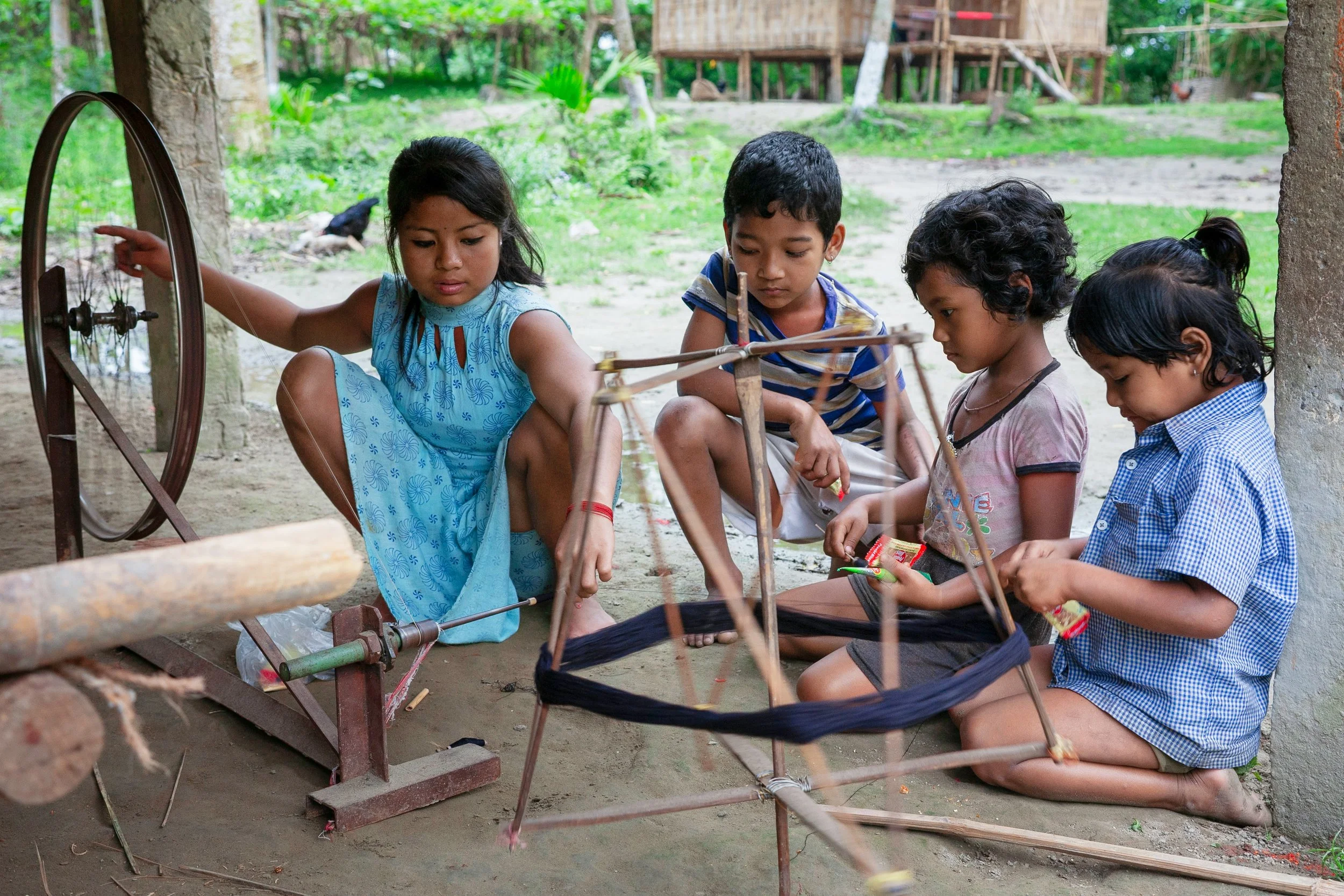
Real-Life Projects Can Bring Multiple Subjects Together
One of the most valuable aspects of project-based learning is that real life doesn't divide itself into separate subjects.
Imagine your child decides to create a small herb garden.
That one project could involve:
Science: Understanding plant growth, sunlight, soil, and ecosystems.
Math: Measuring space, calculating quantities, and tracking growth.
Writing: Creating instructions or keeping a garden journal.
Reading: Researching plants and growing conditions.
Art: Designing garden labels or a layout.
Entrepreneurship: Exploring what it would take to sell herbs or handmade products.
Practical skills: Planning, organizing, caring for materials, and following through.
Instead of asking, “How do I fit six subjects into today?”, you can sometimes ask:
“What can my child learn through this experience?”
That shift can make planning feel more natural and connected.
Learning Becomes More Meaningful When Children Have a Purpose
Children are often more engaged when they understand why they are doing something.
Compare these two experiences:
“Complete these ten math problems.”
versus
“We have $50 to spend on materials for your project. What can we buy, and how can we make the most of our budget?”
Both involve mathematics.
But the second gives the child a reason to use the math.
Purpose can transform a skill from something that feels disconnected into something useful.
This is one reason hands-on homeschool activities can be so valuable. They give children opportunities to experience concepts instead of only encountering them on a page.
Projects Can Develop Skills That Worksheets Can't Always Practice
Academic knowledge matters. But children also need opportunities to practice using that knowledge.
Real-life learning projects can naturally create opportunities to develop skills such as:
Problem-solving: What should we do when the original plan doesn't work?
Creativity: Is there another way to approach this?
Communication: How can I explain my idea to someone else?
Planning: What needs to happen first?
Research: Where can I find reliable information?
Independence: What can I figure out on my own?
Collaboration: How can we work together?
Reflection: What worked, and what would I change?
These are not separate from education.
They are part of learning how to use education in the real world.
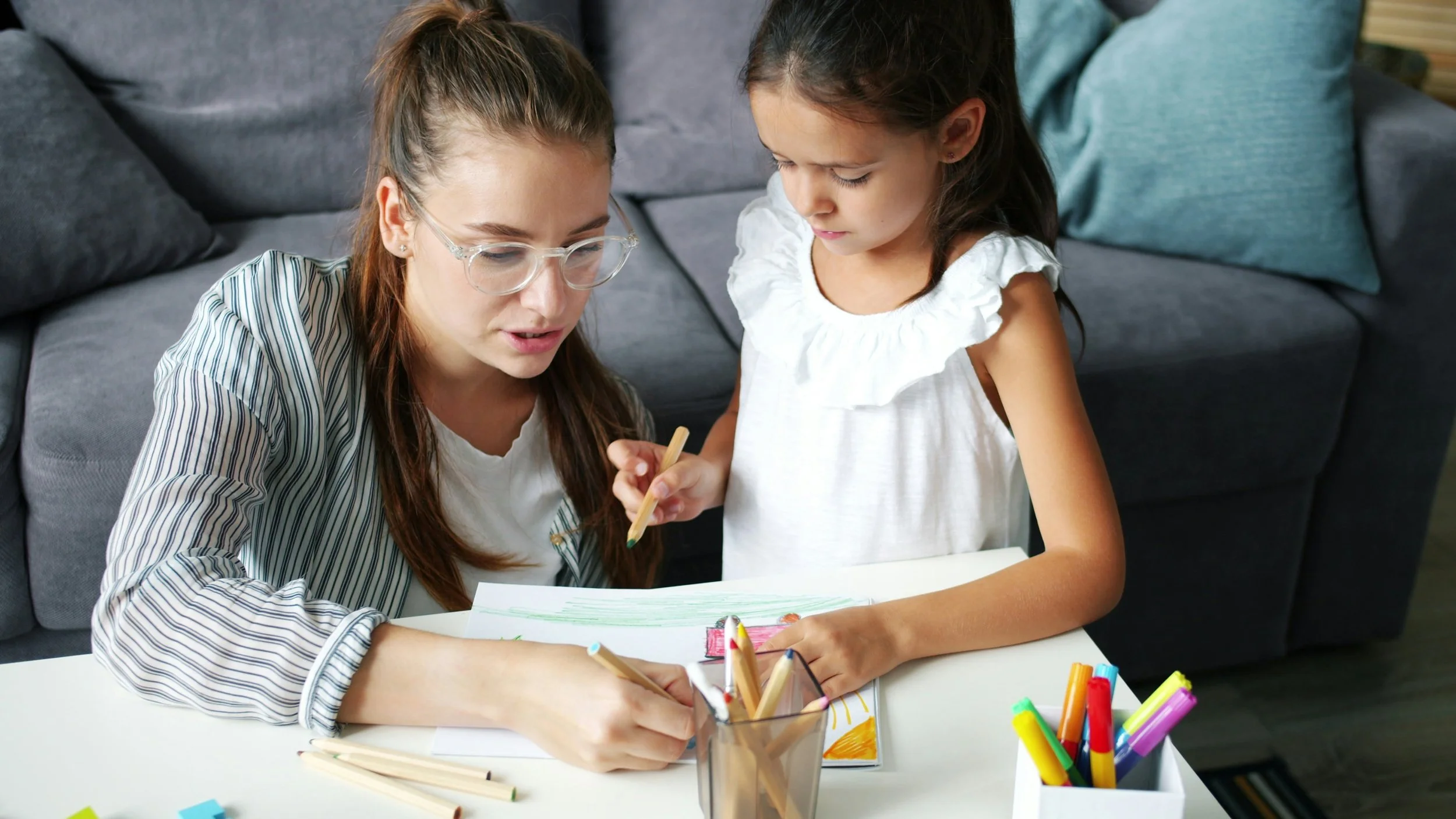
Photo by Vitaly Gariev on Unsplash
You Don't Need Expensive Materials
One common misconception about experiential learning for children is that every project requires elaborate supplies, specialized equipment, or a large budget.
It doesn't.
Some of the best projects can begin with things already around your home.
Try asking:
What could we measure?
What could we build?
What could we improve?
What could we investigate?
What problem could we solve?
What could we design?
What question does my child keep asking?
A cardboard box can become an engineering challenge.
A grocery trip can become a math and budgeting activity.
Cooking can become an opportunity to explore measurement, fractions, chemistry, reading, and cultural traditions.
A walk outside can become the beginning of a nature investigation.
Practical learning at home doesn't have to be complicated to be meaningful.
Start With Your Child's Curiosity
The strongest homeschool project ideas often begin with a question.
Maybe your child asks:
“How do airplanes fly?”
That question could lead to science, physics, history, engineering, reading, writing, art, and design.
Maybe they're fascinated by animals.
You could explore habitats, classification, geography, conservation, statistics, storytelling, and creative projects.
Maybe your child loves cars.
That interest could open the door to mechanics, physics, budgeting, entrepreneurship, design, research, and project management.
This is where project-based learning connects naturally with personalized education.
Instead of choosing a project simply because it appears in a curriculum, you can look for opportunities that connect learning objectives with the child's genuine interests.
How Homeschool Genius Lab Uses Real-Life Learning
At Homeschool Genius Lab, we believe children can learn academic concepts while developing the ability to use those concepts in meaningful situations.
Our approach incorporates meaningful, real-life projects that connect learning with children's interests and everyday experiences.
Rather than expecting every child to follow the exact same academic path, project-based learning creates opportunities for children to explore, create, solve problems, and apply what they are learning.
This supports a broader educational experience—one that values understanding, creativity, problem-solving, independence, and practical skills alongside academic development.
For families looking for alternatives to textbooks without abandoning academic learning, project-based education can offer a thoughtful middle ground: use resources when they help, but let meaningful experiences become part of the learning journey too.
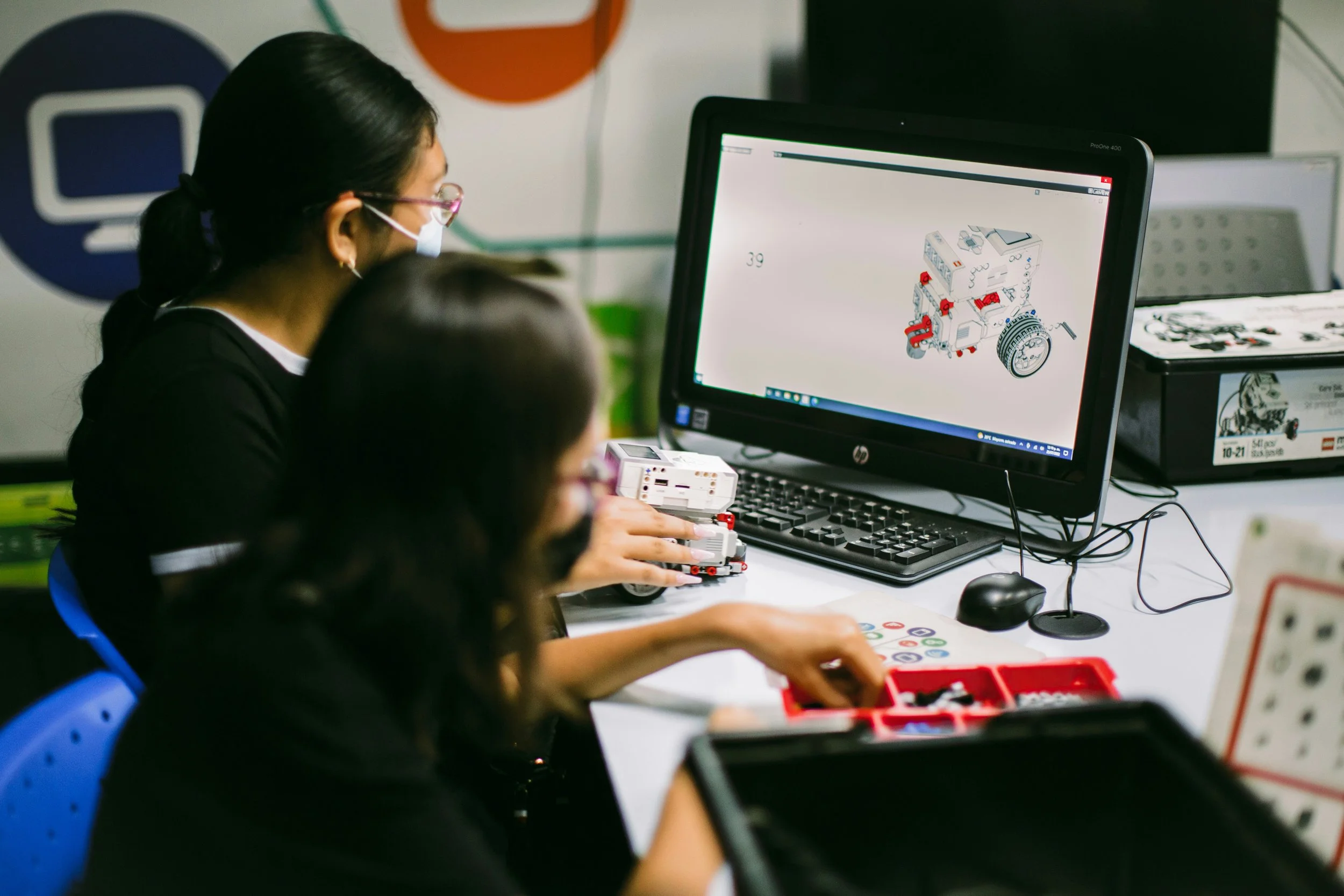
Photo by Jonathan Castañeda on Unsplash
You Don't Have to Choose Between Books and Real Life
Project-based learning doesn't mean throwing every textbook away.
Books can introduce information, provide explanations, build background knowledge, and support independent research.
The opportunity is to combine those resources with experiences that allow children to use what they discover.
Read about ecosystems—and investigate one.
Learn about budgeting—and create one.
Study entrepreneurship—and develop a small business idea.
Explore architecture—and design a structure.
Read about history—and create a museum exhibit.
The question isn't whether children should learn from books.
It's whether books are the only place where learning happens.
Let Learning Become Something Children Can Use
Homeschooling gives families a unique opportunity to connect education with everyday life.
You can turn curiosity into a question, a question into a project, and a project into an opportunity to learn.
When children see that mathematics helps them make decisions, writing helps them communicate ideas, science helps them understand the world, and research helps them solve problems, academic knowledge can begin to feel less like information they need to remember and more like a set of tools they can use.
That's one of the possibilities of project-based learning for homeschool.
And you don't have to redesign your entire homeschool overnight.
Start with one question.
One interest.
One real-life problem.
One project.
What if your child's curiosity could become the starting point for learning? Discover Homeschool Genius Lab and explore a more meaningful, flexible approach to homeschooling.