Stop Teaching All Your Children the Same Way
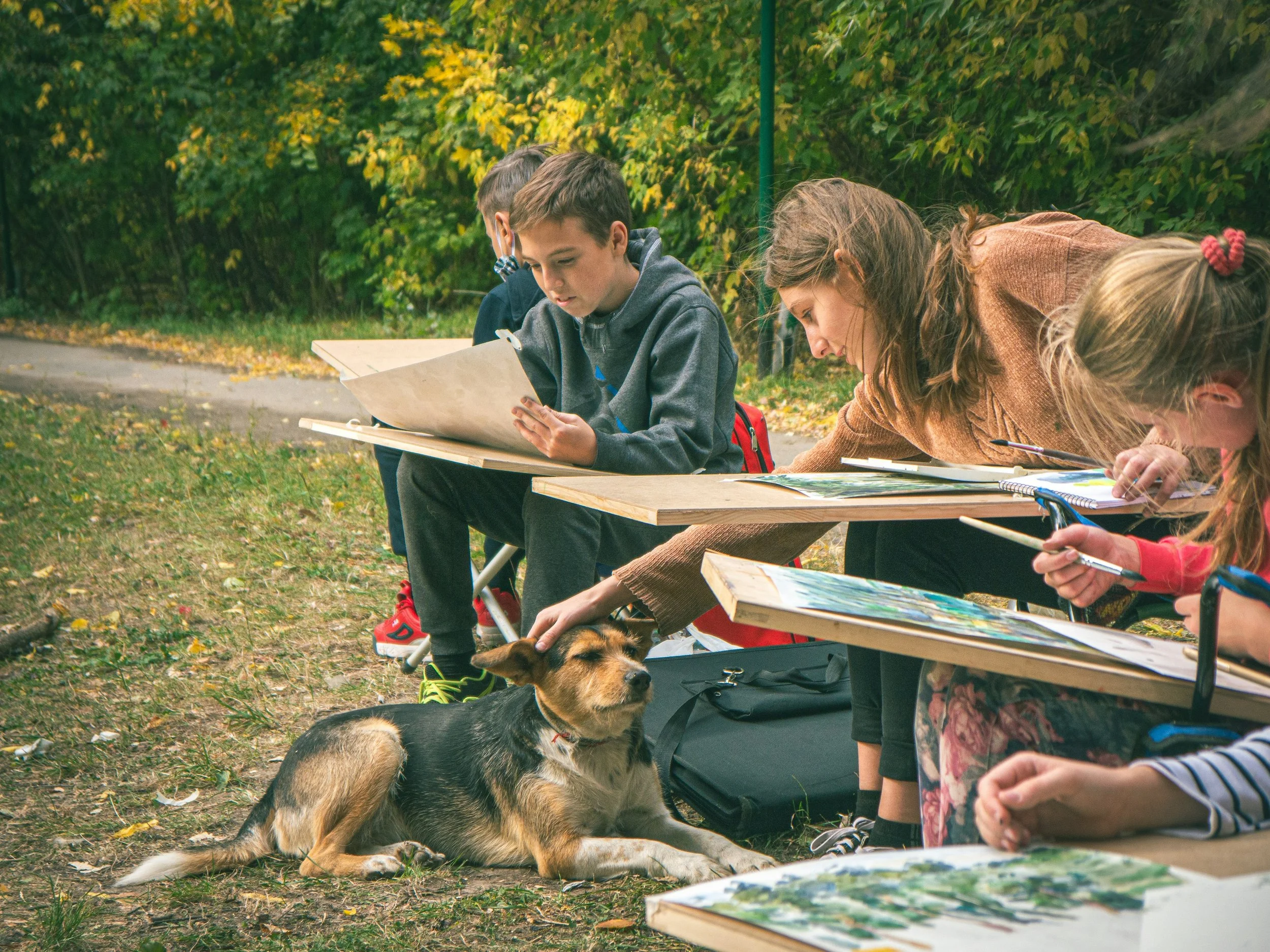
Photo by Evgeniy Beloshytskiy on Unsplash
By HomeschoolToGo Genius Lab (formerly HomeschoolToGo)
Different learning styles for children mean one method rarely fits every sibling. Discover a more personalized way to homeschool your family.
Why What Works for One Child Isn't Working for Another
You found a curriculum that seemed perfect. Your oldest thrived with it—engaged, curious, finishing lessons with energy to spare.
So naturally, you used the same approach with your younger child.
And it didn't go the same way at all.
Maybe there were tears over worksheets. Maybe lessons that took your first child twenty minutes stretched into an hour of frustration for your second. Maybe you started wondering what you were doing wrong.
Here's something worth hearing clearly: you're probably not doing anything wrong. Different learning styles for children are normal, even within the same family, and recognizing this is often the first step toward a calmer, more effective homeschool experience.
The Assumption That Trips Up Many Homeschooling Families
It makes sense to assume that if one method worked for one child, it should work for their sibling too. Same household, same values, similar upbringing—shouldn't learning look similar as well?
Not necessarily.
Children can grow up in the same home and still have completely different ways of processing information, staying motivated, and engaging with new ideas. One child might learn best through reading and quiet reflection. Another might need movement, conversation, or hands-on exploration to really absorb something.
Neither approach is better. They're just different starting points—and homeschooling siblings successfully often means recognizing this early, rather than expecting one method to fit both.
What Frustration Is Actually Telling You
When a child resists a lesson, rushes through it carelessly, or seems constantly distracted, it's tempting to see this as a behavior problem.
Often, it's really a mismatch between the child and the method.
Consider what you might be seeing:
A child who needs movement may struggle with long periods of quiet, seated work.
A child who thinks out loud may seem unfocused during independent, silent tasks.
A child who needs a slower pace may seem to "fall behind" a sibling, when they're actually just processing more thoroughly.
None of these describe a child who isn't capable. They describe a child whose individual learning needs haven't yet been matched with the right approach.
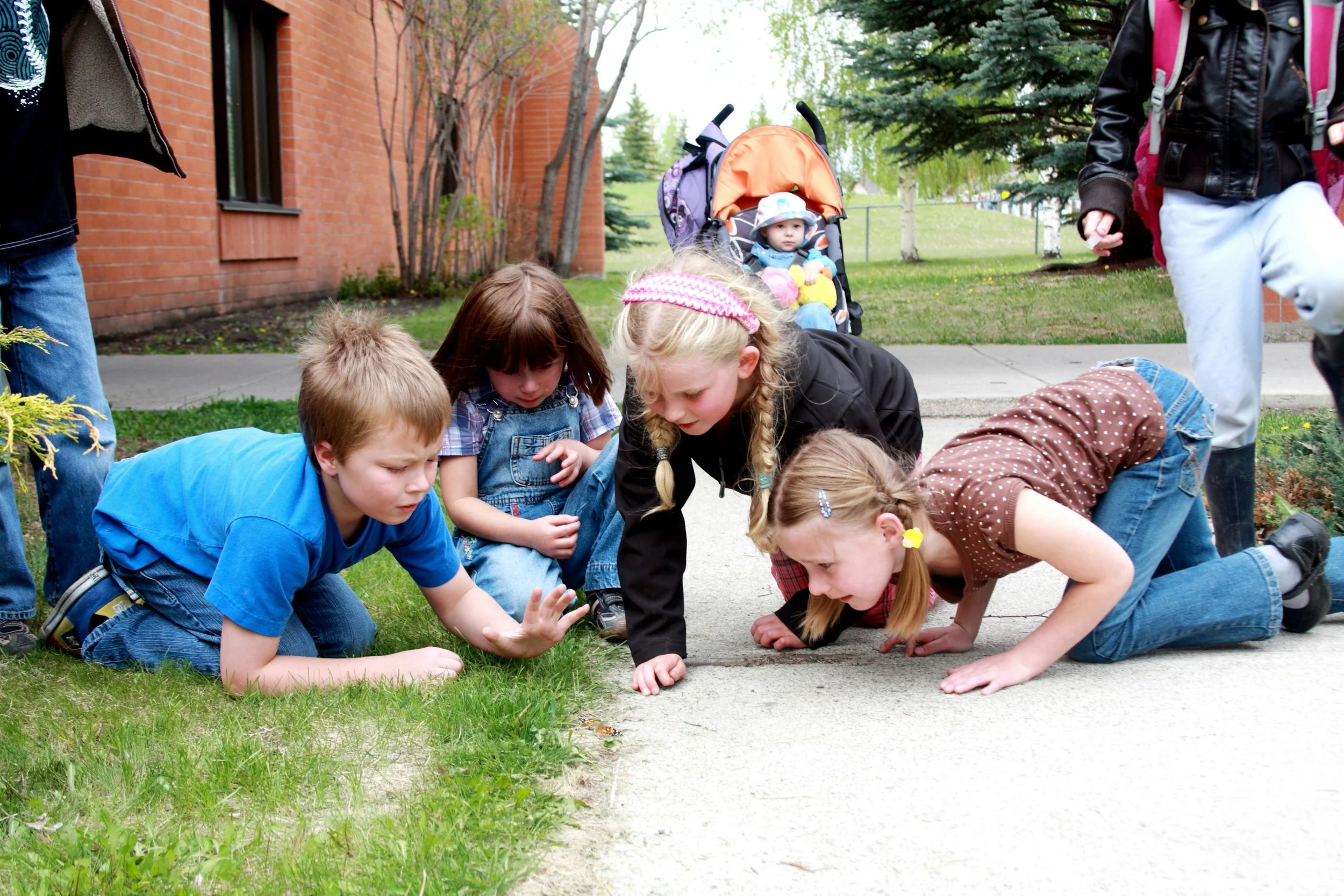
Photo by Anna Khromova on Unsplash
Getting to Know Each Child as a Learner
The good news is that you don't need formal testing to start noticing these differences. Everyday homeschool life already gives you clues.
Watch how each child naturally engages
Does one child ask lots of questions and want to discuss ideas? Does another prefer to explore quietly on their own first, before talking about it?
Notice what holds their attention
A child who loses focus quickly during reading might come alive during a hands-on project. This isn't a lack of discipline—it's a signal about how they learn best.
Pay attention to pace, not just performance
One child finishing quickly doesn't mean the other is behind. It may simply mean they need more time to build true understanding, which often leads to deeper learning strengths over time.
These small observations, gathered over weeks rather than days, often reveal far more than any single curriculum can.
Personalized Learning Doesn't Mean More Work for You
Many parents worry that teaching each child differently means creating two, three, or four separate lesson plans from scratch. It doesn't have to.
Personalized learning for children often means adjusting how a topic is taught, not creating an entirely different topic for each child.
For example:
A history lesson on ancient Egypt might involve reading for one child, building a model pyramid for another, and creating a short presentation for a third—same subject, different entry points.
A math concept can be introduced through real-life problems for a hands-on learner, while a more analytical child works through it step-by-step in a workbook.
This is where project-based learning becomes especially useful for homeschooling families with multiple children. A shared theme or project can flex to meet each child where they are, without requiring a completely separate curriculum for everyone.
How Homeschool Genius Lab Approaches This Differently
If juggling different learning styles for children under one roof feels overwhelming, you're not alone—and there is a more sustainable way to approach it.
Homeschool Genius Lab (formerly known as HomeschoolToGo, www.homeschooltogo.org) was built around the understanding that every child, even within the same family, learns in their own way.
Here's how that philosophy supports families raising more than one learner:
Personalized learning for each child. Rather than applying one method across the board, we help families understand what actually works for each child—so siblings can thrive without being compared to one another.
Respect for individual learning needs and pace. One child moving faster or slower than another isn't treated as a problem to fix. It's treated as valuable information about how that child learns best.
Development of each child's strengths and interests. Whether a child is drawn to art, numbers, storytelling, or building things, that interest becomes a meaningful part of how they learn—not something separate from "real" schoolwork.
Whole-child, child-centered education. We look at each child's confidence, curiosity, and emotional engagement with learning, not just academic output—recognizing that these are closely connected.
Flexibility to manage multiple learners at once. Shared projects and themes can be adapted to different ages, paces, and strengths, making it realistic to homeschool siblings without duplicating your workload.
Ongoing support for your family. Understanding each child's learning style can take time. We work alongside parents throughout that process, rather than leaving you to figure it out alone.
The goal isn't to create four completely different homeschool experiences under one roof. It's to build one flexible approach that can genuinely meet each child where they are.
Moving Forward, One Child at a Time
If you've been feeling stretched thin trying to make one method work for every child, take heart: this is an extremely common homeschooling challenge, not a sign that something is wrong with your approach or your children.
Different learning styles for children are simply part of raising a family—and once you begin teaching to each child's strengths rather than a single standard, homeschooling often starts to feel less like a struggle and more like a rhythm that fits.
If you'd like support figuring out what that could look like for your family, you can learn more about the Homeschool Genius Lab approach to see how it might work with your children's unique strengths and needs.
HomeschoolToGo Genius Lab (formerly HomeschoolToGo) — The world's only personalized and bilingual homeschooling program, empowering families from PreK through Grade 8 to educate in two languages with confidence, joy, and intention.