Why Smart Kids Struggle in Traditional School

Photo by Vitaly Gariev on Unsplash
By HomeschoolToGo Genius Lab(formerly HomeschoolToGo)
Wondering why your smart kids are struggling in traditional school? Discover what's really happening and how personalized learning can help.
When Your Bright Child Comes Home Discouraged
You know your child is capable. You've seen the curiosity, the clever questions, the way they light up when something genuinely interests them.
So why do report cards tell a different story?
Maybe homework has become a daily battle. Maybe your child rushes through assignments carelessly, or refuses to start them at all. Maybe teachers describe a child who "isn't living up to potential"—a phrase that never quite explains anything.
If this sounds familiar, you're not imagining things, and you're not alone. Smart kids struggling in traditional school is a pattern many parents recognize, even when they can't quite name what's causing it. The good news is that this struggle usually has less to do with your child's abilities and more to do with fit.
The Mismatch Behind the Struggle
Traditional classrooms are built to serve many children at once, moving through the same material at the same pace, in mostly the same way.
For some children, this works well enough. For others—especially curious, quick-thinking, or deeply interested learners—it can feel confining.
A child who grasps a concept in minutes may sit through days of repetition. A child who learns best by building or exploring may be asked to sit still and absorb information passively. Over time, this mismatch can look like boredom, distraction, or resistance—even though the real issue is a gifted child struggling in school not because they lack ability, but because the format doesn't match how they think.
This is one of the most common traditional education challenges families encounter, and it rarely gets named clearly.
What Looks Like a Problem Is Often a Clue
When a bright child underperforms, it's tempting to search for what's "wrong." But an intelligent child underperforming is often communicating something important, not failing.
Consider what the behavior might actually be showing you:
Rushed or sloppy work may signal understimulation, not carelessness.
Refusal to engage may reflect a need for purpose, not defiance.
Emotional frustration may come from feeling misunderstood, not from a lack of effort.
Instead of asking "What's wrong with my child?" it can help to ask, "What is this environment failing to offer them?"
This shift—from deficit to context—is central to how we think about learning at Homeschool Genius Lab.
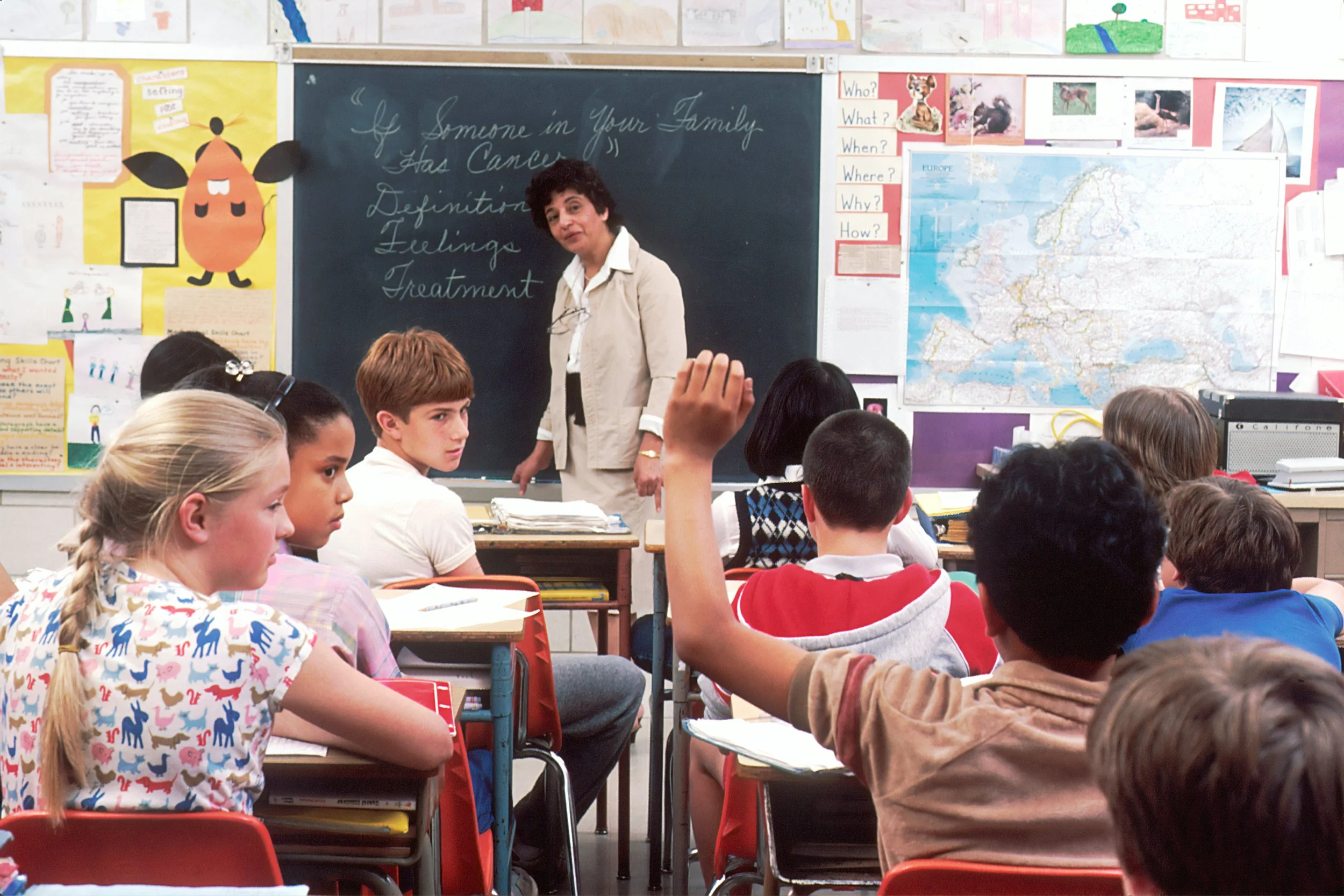
Photo by National Cancer Institute on Unsplash
Learning Built Around the Child, Not the System
Every child has a unique combination of strengths, interests, and natural pace. When education starts there, motivation often follows naturally.
This is the foundation of personalized education: instead of asking a child to adapt entirely to a fixed curriculum, the learning experience adapts to the child.
In practice, this might look like:
Following genuine interest
A child fascinated by animals might explore biology through real research, documentaries, and hands-on projects—reading, writing, and science woven naturally into something they already care about.
Learning at their own pace
Some concepts may move quickly; others need more time. Without a rigid schedule, children can master ideas thoroughly instead of rushing past them.
Learning by doing
Project-based experiences—building, experimenting, creating—often engage children more deeply than worksheets alone, because they connect learning to something real and tangible.
This approach doesn't just apply to academics. It also nurtures a child's confidence, curiosity, and sense of ownership over their own growth.
A Practical Step for Parents Right Now
If your child is struggling, you don't need to overhaul everything overnight. Start by observing, not correcting.
For one week, notice:
What topics does your child bring up unprompted?
When do they seem most focused or energized?
What kind of tasks do they avoid, and why might that be?
These small observations often reveal more about your child's learning strengths than any report card can.
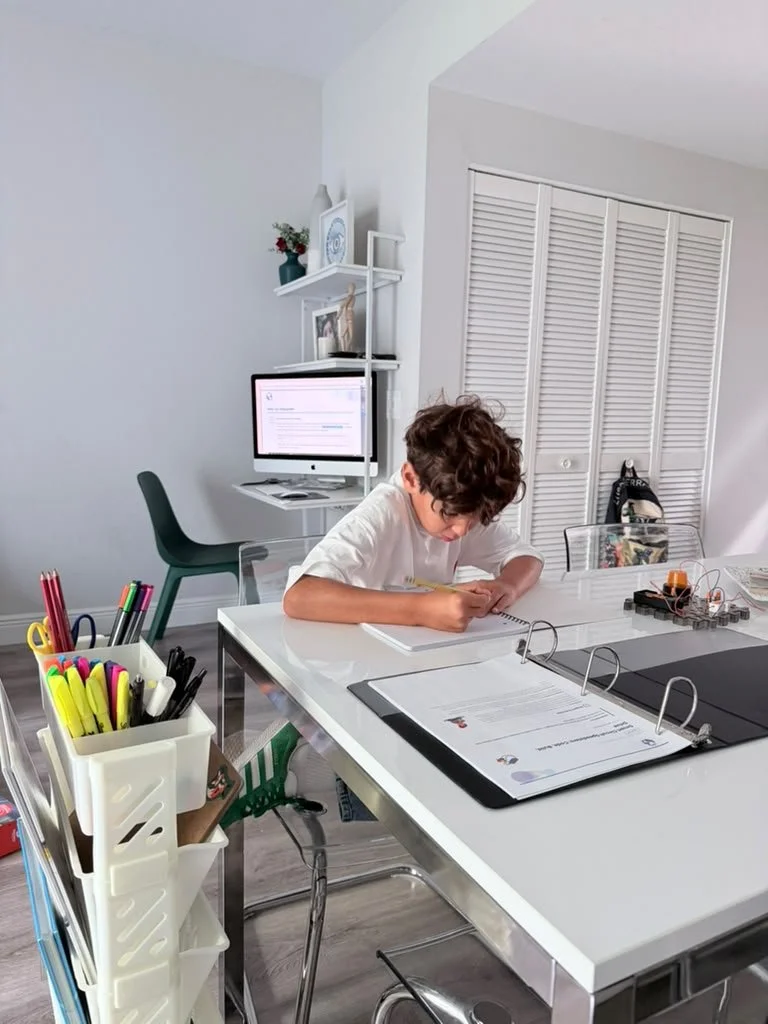
Homeschool Genius Lab 3rd Grade Student
How Homeschool Genius Lab (formerly known as HomeschoolToGo) Approaches This Differently
If any of this feels familiar, it may help to know there's a way of learning designed specifically around children like yours.
Homeschool Genius Lab was created on a simple belief: children thrive when education starts with their strengths, not their struggles.
Here's how that philosophy comes to life for families navigating a smart kids struggling in traditional school situation:
Personalized learning, not a fixed curriculum. Instead of asking your child to keep pace with a standardized program, we help build an experience around how your child actually learns—their interests, their strengths, their natural curiosity.
Respect for your child's individual pace. There's no need to rush past a concept your child hasn't mastered, or slow down one they've already understood. Learning moves at a pace that makes sense for them.
Real space to develop talents and interests. Whether your child gravitates toward science, storytelling, building, art, or something entirely their own, that interest becomes a meaningful part of their education rather than an afterthought.
Whole-child education. We consider not just academic growth, but emotional wellbeing, confidence, and curiosity—recognizing that a child who feels understood is more likely to engage and grow.
Flexibility to create meaningful experiences. Learning doesn't have to look like a traditional classroom. Project-based, exploratory, and hands-on approaches allow children to connect knowledge to real understanding.
Support for your family along the way. You don't have to figure this out alone. We work alongside parents to help design an approach that fits your child and your family's life.
The goal isn't to replace one rigid system with another. It's to build something responsive—an education that grows with your child, rather than asking your child to fit a mold that was never quite right for them.
A More Hopeful Way Forward
If you've been feeling confused, discouraged, or unsure why your smart, capable child continues to struggle in a traditional classroom, take heart: this is a solvable mismatch, not a reflection of your parenting or your child's potential.
Smart kids struggling in traditional school often just need a different kind of room to grow in—one shaped around who they already are.
If you're ready to explore what that could look like for your family, request more information about our personalized program to see how it might fit your child's unique strengths and needs.
HomeschoolToGo Genius Lab (formerly HomeschoolToGo) — The world's only personalized and bilingual homeschooling program, empowering families from PreK through Grade 8 to educate in two languages with confidence, joy, and intention.